![Featured image of post How to Break Away from Poverty? What is the Difference Between the Poor and the Rich? [Interpreting the 2019 Nobel Prize in Economics] By Teacher Li Yongle (Video Transcript)](/global-assets/article/2022/03/how-to-break-away-from-poverty.jpg)
This article is a transcript of the video, using text and images to record the key information from the original video. For detailed content, please refer to the original video: How to Break Away from Poverty? What is the Difference Between the Poor and the Rich? [Interpreting the 2019 Nobel Prize in Economics]
Introduction & Insights
What exactly causes poverty? Is it because the poor aren’t hardworking enough and just want to slack off? Can you break away from poverty just by working hard? Regardless of whether you are rich or poor, once you accidentally fall into the poverty trap, the chances of turning things around and becoming rich become increasingly slim.
The social system should allow everyone, whether rich or poor, to at least avoid falling into the poverty trap, giving everyone a goal to strive for, avoiding a sense of powerlessness in life, and allowing everyone to Work for life, working hard to pursue a better quality of life, rather than Work for live, working to survive below the poverty line.
Watch Video
Preface
Hello students, I am Teacher Li Yongle. Recently, a kid sent me a private message saying that he borrowed a few thousand yuan online to buy a high-end mobile phone, and then with compound interest, it turned into tens of thousands of yuan. He couldn’t pay it back and didn’t dare to tell his family. He said he really didn’t know why he bought that thing in the first place.
In fact, many poor people have a preference for luxury goods, such as saving a lot of money to buy an LV bag, buying a mink coat, or holding a luxurious wedding, etc. Why do the poor have such a special fondness for luxury goods?
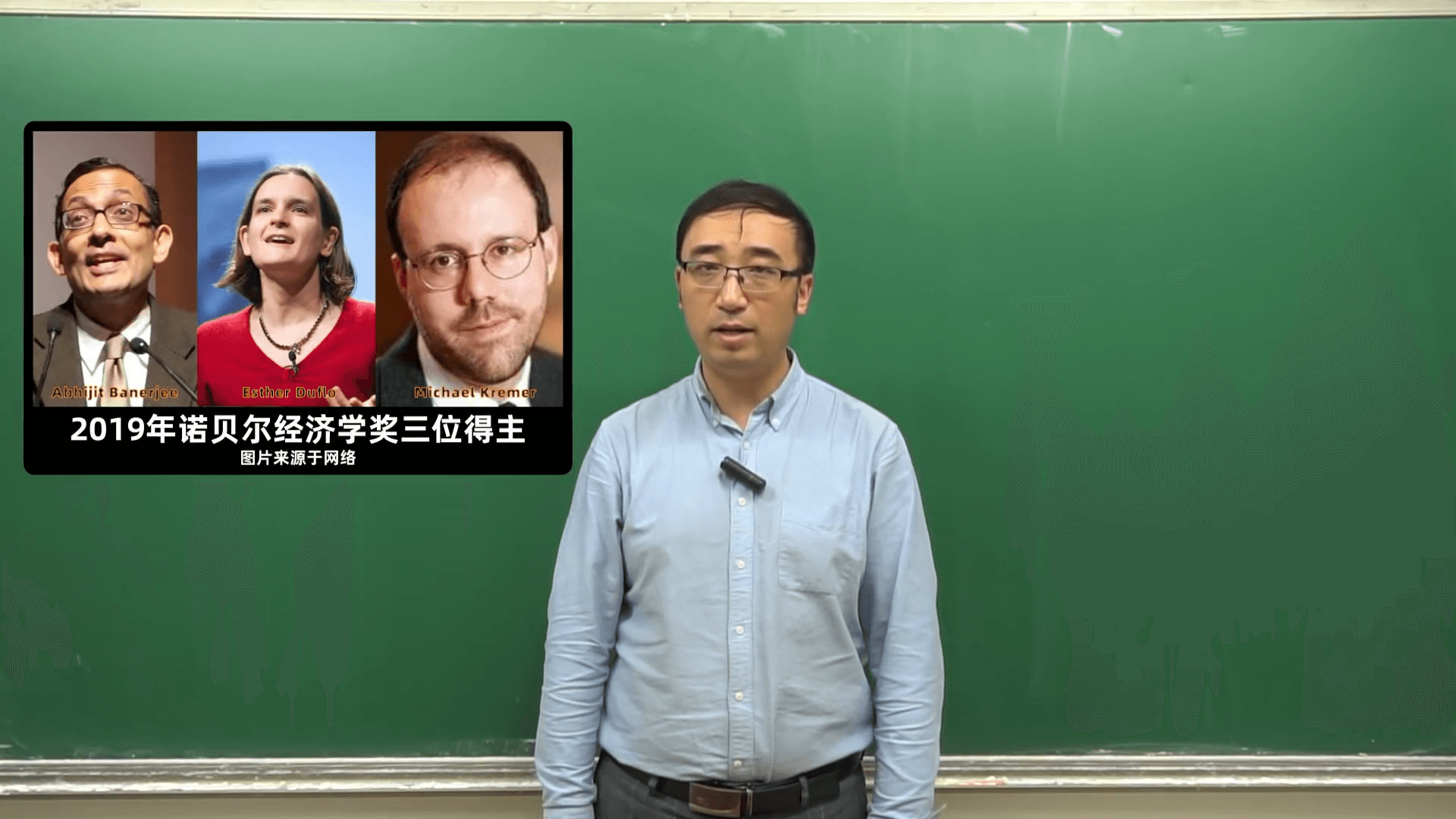
A while ago, the Nobel Prize in Economics was awarded to the couple Banerjee and Duflo from MIT, and Kremer from Harvard University, in recognition of their research in fighting poverty.
So today I want to introduce their research results to you, to see if we can have a deeper understanding of poverty through their research results.
Is Aid to the Poor Useful?
First of all, let’s talk about a debate regarding poverty. This debate is about whether our aid to the poor is useful or not. Is aid useful? Some people might say, isn’t this nonsense? Of course, aid is useful. If you don’t provide aid, are you going to watch the poor starve to death? But the data doesn’t seem to support this conclusion.
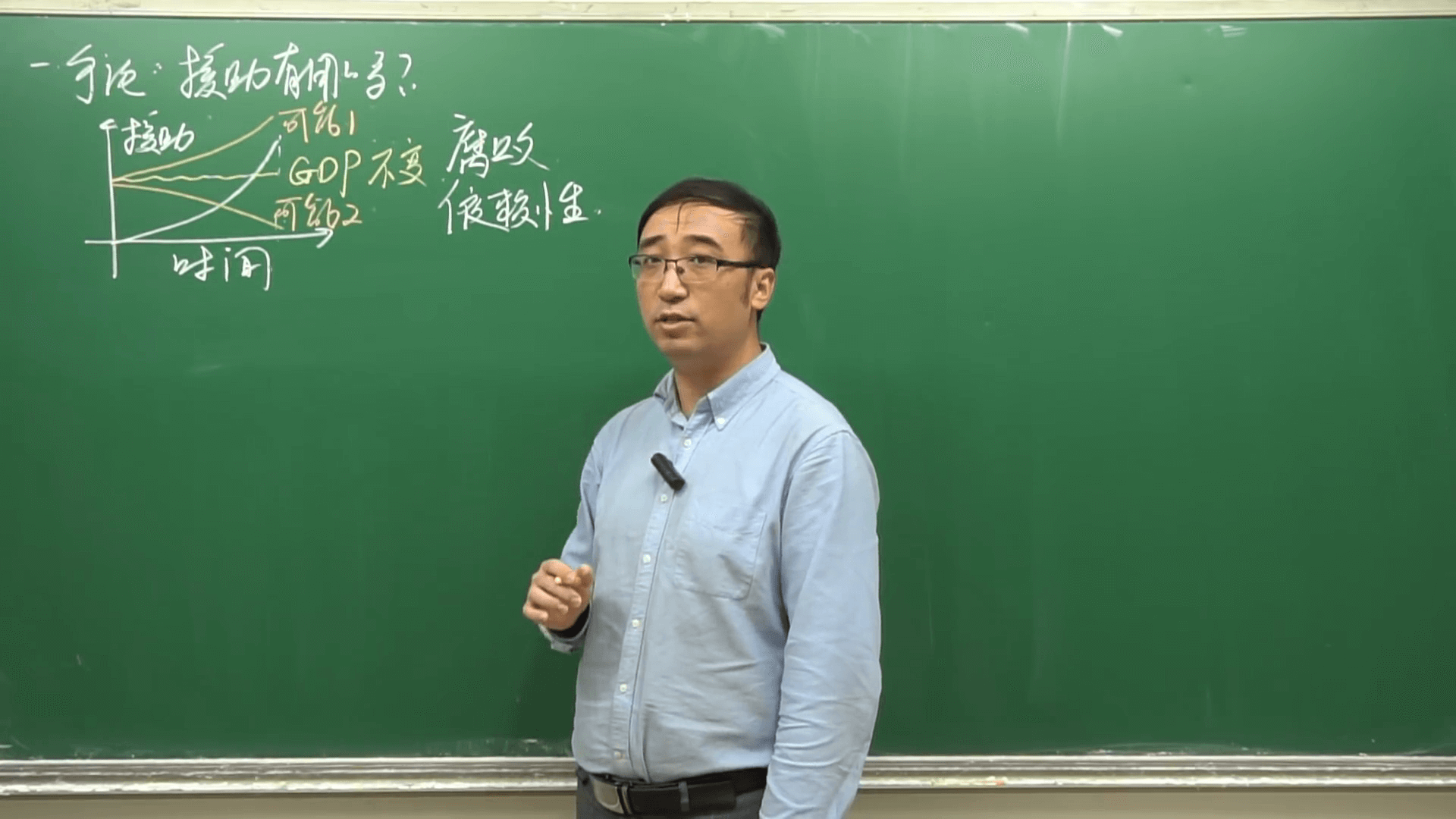
In recent decades, the world has provided a lot of aid to Africa because sub-Saharan Africa is very poor. So we can draw a graph. As time goes by, the total amount of aid to sub-Saharan Africa is increasing, very, very much.
So what changes have occurred in Africa’s GDP during this period? If we draw Africa’s GDP, what does it look like? It’s roughly like this. This is the GDP. As a result, we find that there is no change in GDP, no change at all, right? So in this case, why is aid useless?
Some people suggested that this might be because the governments in sub-Saharan Africa are very corrupt. The money you gave them was embezzled by them, so it wasn’t used on the victims or national construction. Therefore, aid is useless and can only make them more corrupt.
Does Aid Create Dependency and Laziness?
Others say that Africans are not good either, they will have dependency. What is dependency? It means that I didn’t want to work in the first place, and then you gave me money, so I won’t work even more, just waiting for you to give me money, right? So there is dependency.
So some people say, in that case, let’s just stop aid to Africa. We don’t need to aid it, because aiding it will only make it worse. But the problem is, if you stop aid, there are two possibilities.
The first possibility is that aid is indeed useless. If you stop aid, the African people will become self-reliant and more powerful, right? That is one possibility.
But there is another possibility, that is, if you stop aid, Africa will be full of famine and corpses everywhere. This is also a possibility.
So if we really stop aid to Africa, which possibility will happen? Just like in the Middle Ages, when someone got sick, they would go to pray to gods and Buddha, right? And some people got sick and went to seek medical advice. So is seeking medical advice useful or praying to gods and Buddha useful? People didn’t know what to do at that time.
Experimental Research on Differences in Aid
Modern medicine has already told us that we can do experiments. What experiments? Randomized controlled trials. Put people who are sick and similar into three groups.
- The first group of people seek medical advice.
- The second group of people pray to gods and Buddha.
- The third group acts as a control group and does nothing.
Then compare whether the three groups of people recovered, right? Through this way, we know which method is the most effective.
So Duflo and the others thought, we sit in the office drinking tea, drinking tea while looking at the data, we can’t figure out this problem. What should we do? We must go deep into the midst of those civilians to understand their lives, so we can know what exactly caused their poverty.
So they did a lot of research, established a poverty action lab, went deep into many countries around the world, spent 20 years collecting what they saw and heard, and finally wrote a book called “Poor Economics”.
Poverty and Health Issues
Much of what I’m talking about today is in the book “Poor Economics”. They first discussed health issues.
The main difference between the poor and the rich is the amount of money, but health is also a factor that cannot be ignored. Generally speaking, the health of the rich is much better than that of the poor, because the poor have no money for medical care, right? nor money for physical examinations, nor time to exercise, so their medical condition is very poor.
Every year, 9 million people, 9 million people die before the age of five, dying before five. And the vast majority of these people are in sub-Saharan Africa. So if a person is in poor health, they cannot work. If they can’t work, naturally, they can’t make money, and they can’t get out of poverty. So to get out of poverty, we must first solve the health problems of the poor.
So he mentioned two things. The first thing is vaccines. Many diseases can actually be controlled by vaccines. We now have very mature technologies, right? So we can distribute vaccines to these poor people for free.
But in fact, there are 25 million children in the world every year, these 25 million children have not received vaccinations, which means their vaccines are missing, they have no resistance, so when they encounter some infectious disease, they die, right?
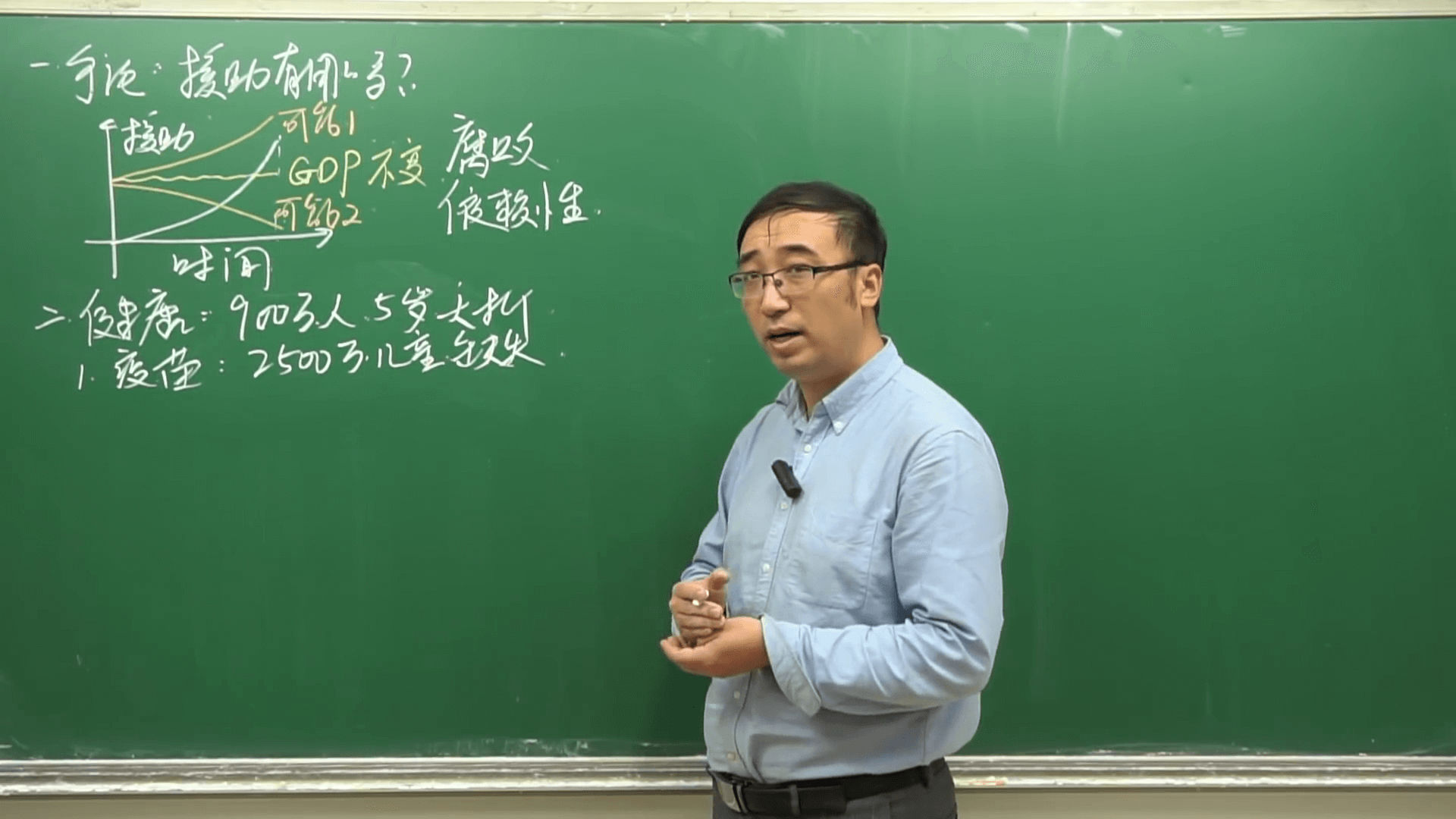
So why do we have the technology but can’t get vaccinated? Is it because of insufficient funds, or because of awareness issues, thinking that vaccination is bad? They decided to investigate.
So they came to India. Banerjee’s hometown is India. There is a place in India called Udaipur district. They did a lot of investigations in this Udaipur district.
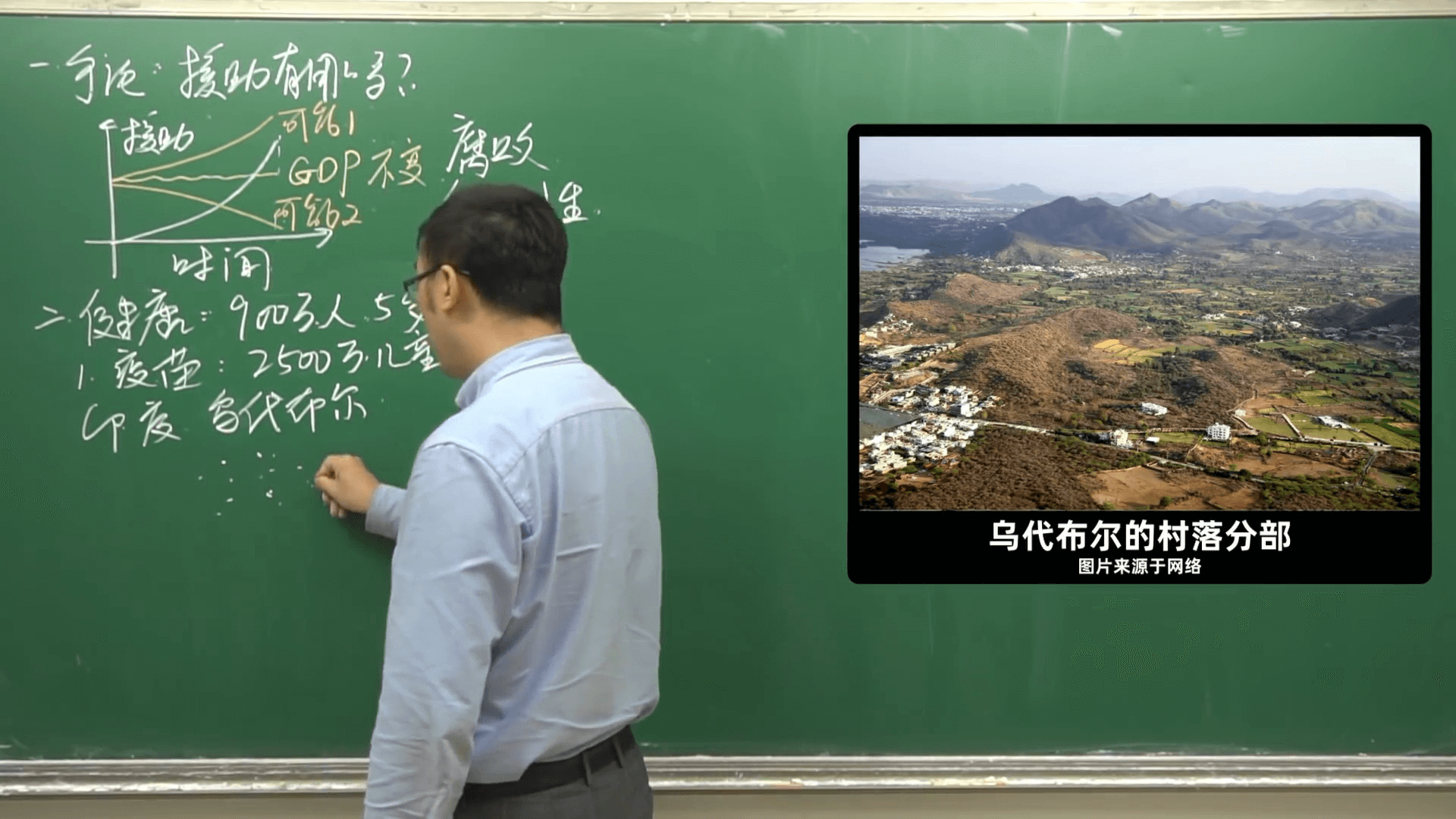
They found that there are many villages distributed in the Udaipur district. Here are many villages distributed in the mountains. And what is the vaccination rate in this area? About 1%, only 1% completed all vaccines, and the rest didn’t complete.
Reasons for Not Completing Vaccinations?
Why didn’t they complete it? First, is the technology insufficient? But they found the technology is OK. The Indian government provided them with vaccination points. As long as they go to the vaccination point, there will be professional nurses to give them injections. The technology is OK.
Then what is not OK? Is it lack of money? No funds? No, the vaccine is free. You can get it when you go, you don’t need to spend any money. Since it is free, is it that parents don’t value their children?
It turned out that parents are also OK. If the child gets sick, these parents hold the child and go to the hospital, spending a lot of money to treat the disease, right? So parents still care about their children very much.
Opportunity Cost of Vaccination for the Poor
Then why is there technology and funds, and parents care, but they just don’t get vaccinated? So they came up with a conjecture. He said maybe these parents find it too troublesome to get vaccinated. What does it mean too troublesome to get vaccinated? That is to say, there are many villages distributed in the area, and these villages are distributed among these high mountains. So it is impossible for every village to have vaccines. There might be a point in this place, so if you want to go, you have to come to this central point. Then you might have to cross mountains and ridges for a day.
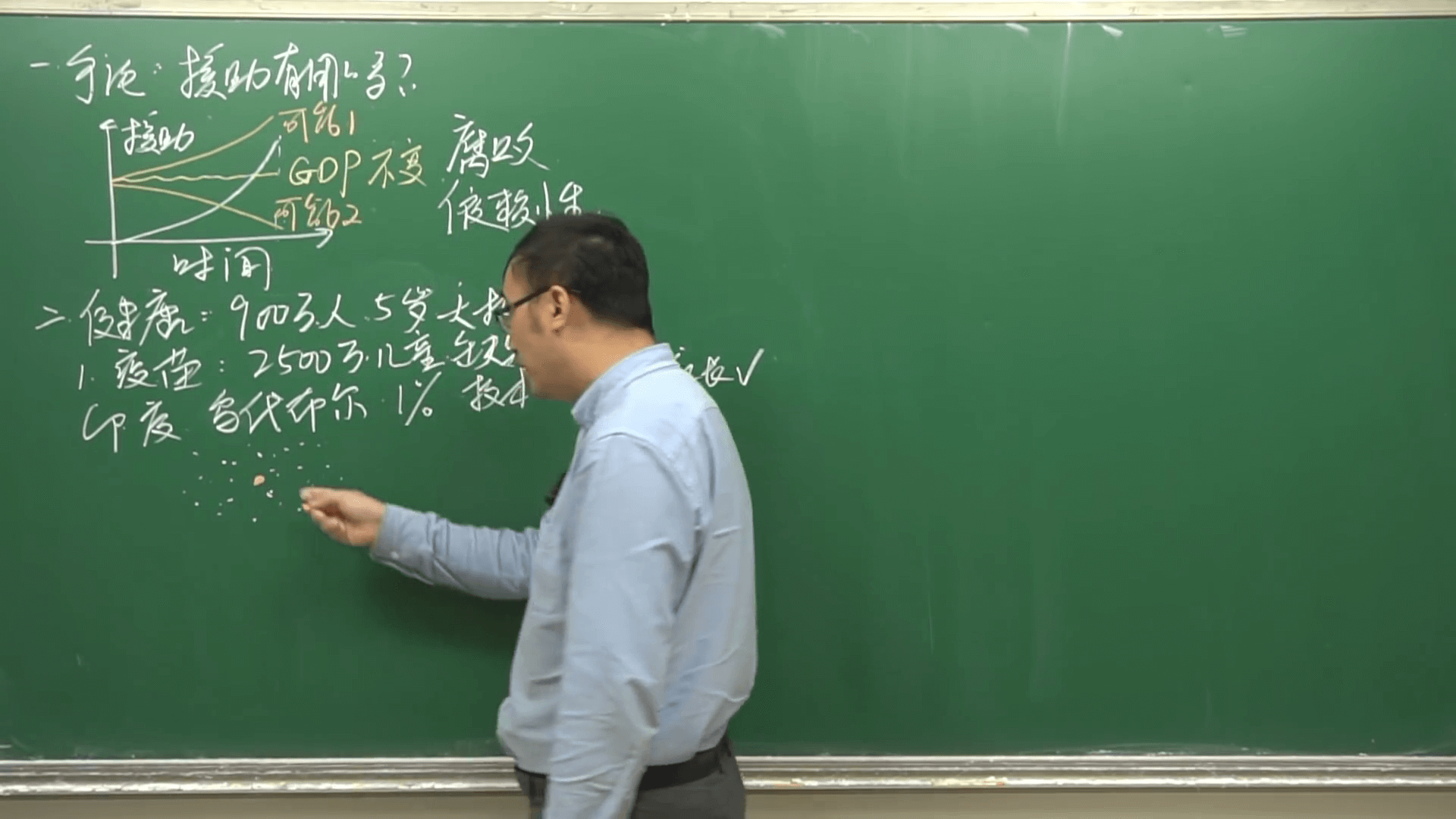
As a result, when you arrived, you found that the nurse was very irresponsible. She was off today and didn’t come. Then you have to cross the mountains and go back. As a result, is your day’s work lost?
Losing a day’s work is no big deal for a rich person, but for a poor person, losing a day’s work may mean no food for the next day.
So in order to avoid this situation, finally, they didn’t get vaccinated. Is this conjecture correct or not? They have to do experiments.
Vaccination Opportunity Cost Experiment
1. Control Group Doing Nothing
How to do the experiment? First, they randomly selected some villages among these villages, randomly selected, randomly selected villages. Then these villages served as a control group. He did nothing, did nothing, just went in to investigate whether you got vaccinated or not, just these villages.
2. Set Up More Vaccine Camps
Then secondly, he selected some villages and said, I will do one thing for these villages. I think it is because vaccination is too troublesome, so you don’t get it. So he set up a vaccine camp in these villages. That is, he found some volunteers and asked these volunteers to open a vaccine station in this village, and then said you can come to get vaccinated, also free of charge, but this time you don’t have to cross mountains and ridges.
3. Reward Beans for Vaccination
Then the third one is that he found some more villages. For example, these villages were randomly selected, all randomly selected. He said that for these villages, not only did I design a vaccine camp for you, but I also give you rewards if you come to get vaccinated.
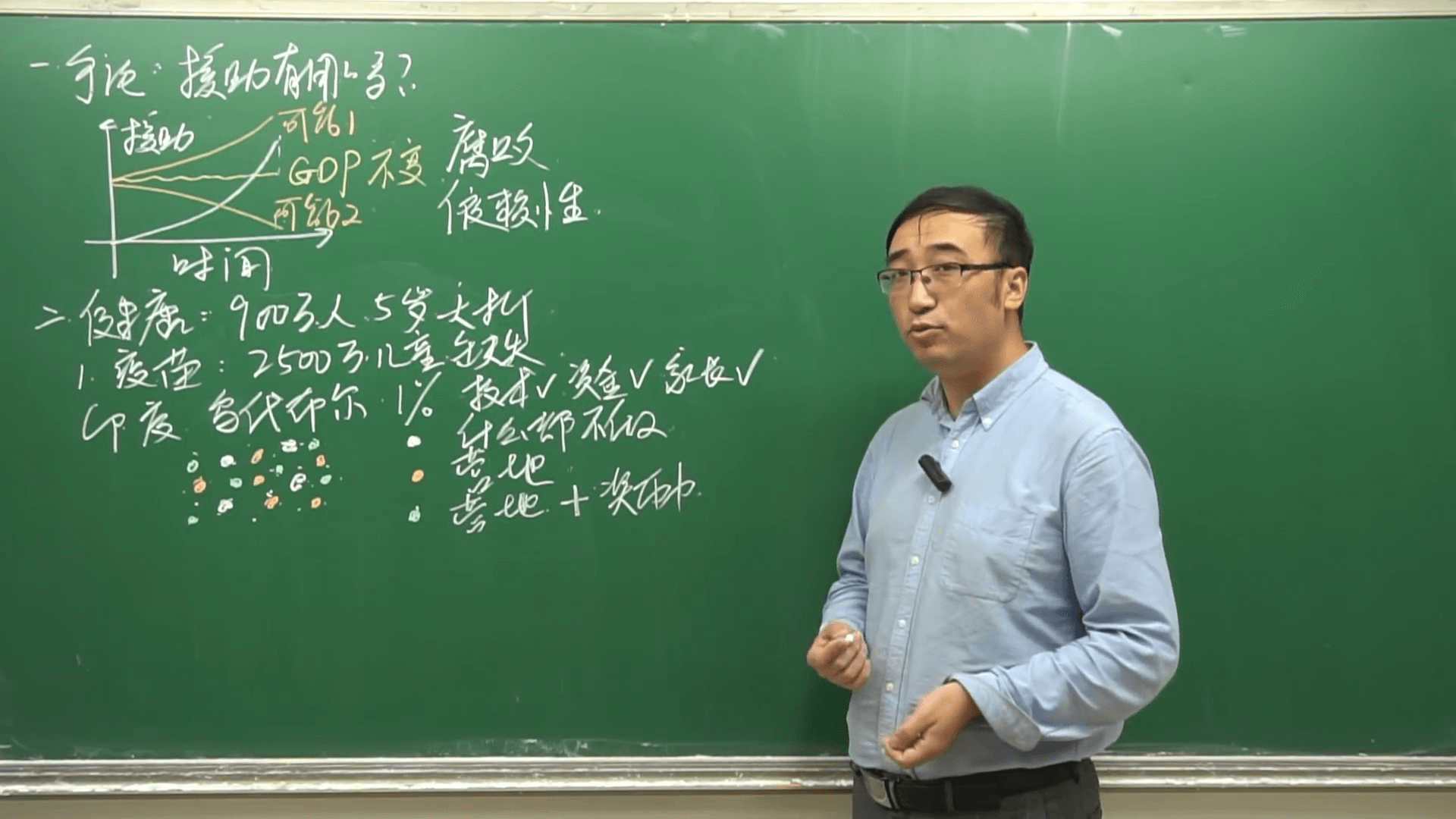
What reward? Reward two pounds of beans. Two pounds of beans are actually not worth much money. So if vaccination is harmful, these parents will not come either, right? Just say reward two pounds of beans, and see if you are willing to come.
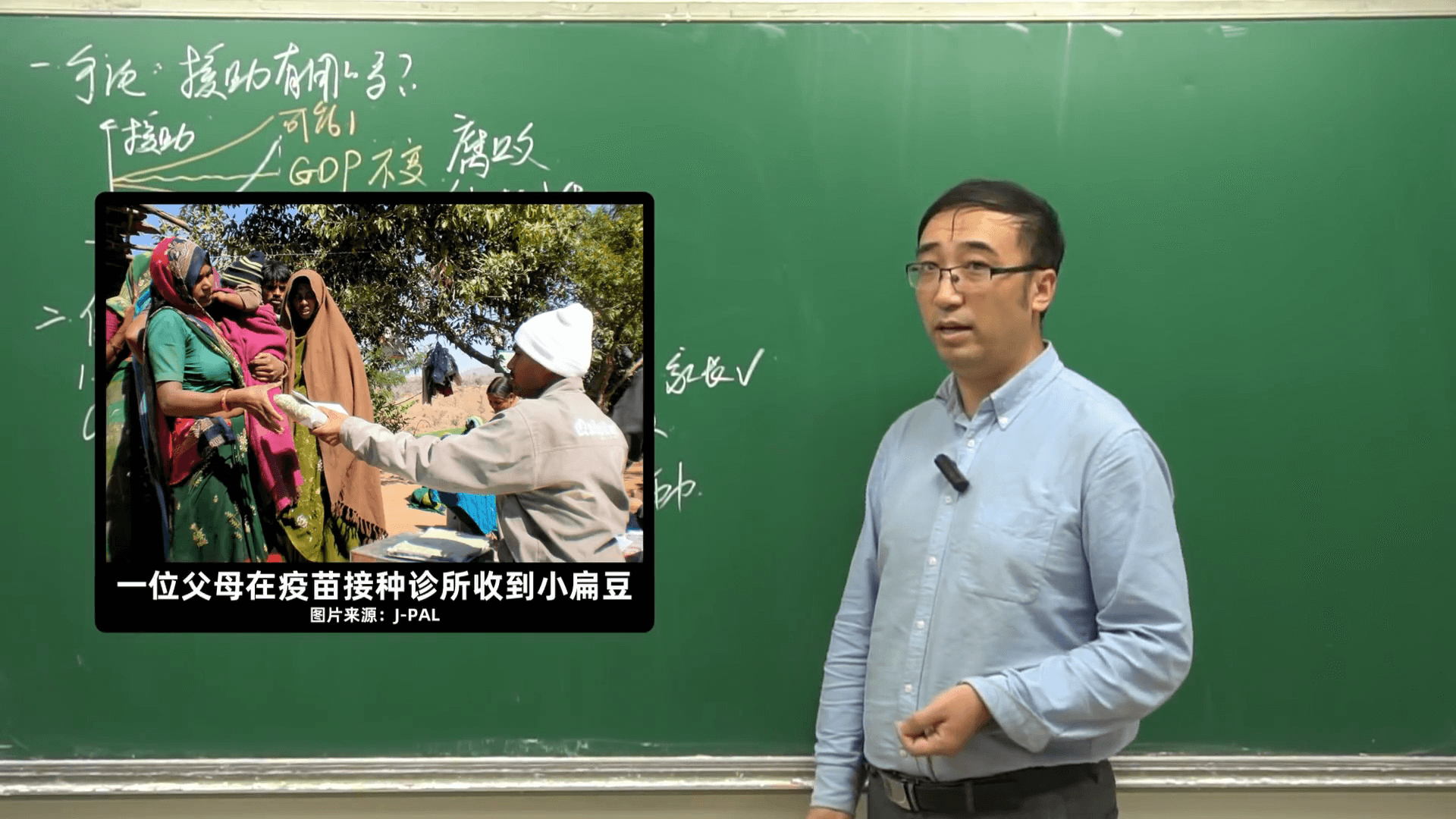
After a period of experiments, what conclusion was reached? In those villages where nothing was done, there would also be some people taking their children across mountains and ridges to get vaccinated. How much is this proportion? There is 6%, very few, right? Did not meet our expectations.
So in this camp, putting the mobile vaccine station in the village camp, exactly how many people got vaccinated? There is 17%. Compared to just now, this has tripled, right?
Okay, so in the villages where there are camps and rewards, what is the vaccination rate? It is 38%. You can compare it with doing nothing. In this case with rewards, his vaccination coverage rate has greatly improved.
So he said, I think my conjecture is correct. That is, the reason why you didn’t get vaccinated is because of what? It is because it is too far away. You should open the mobile vaccine station into the village, right? At the same time, if you get one shot, I will give you two pounds of beans. Then suppose you finish all the vaccines, I will give you a set of pots. In this way, more people will come to get vaccinated, right?
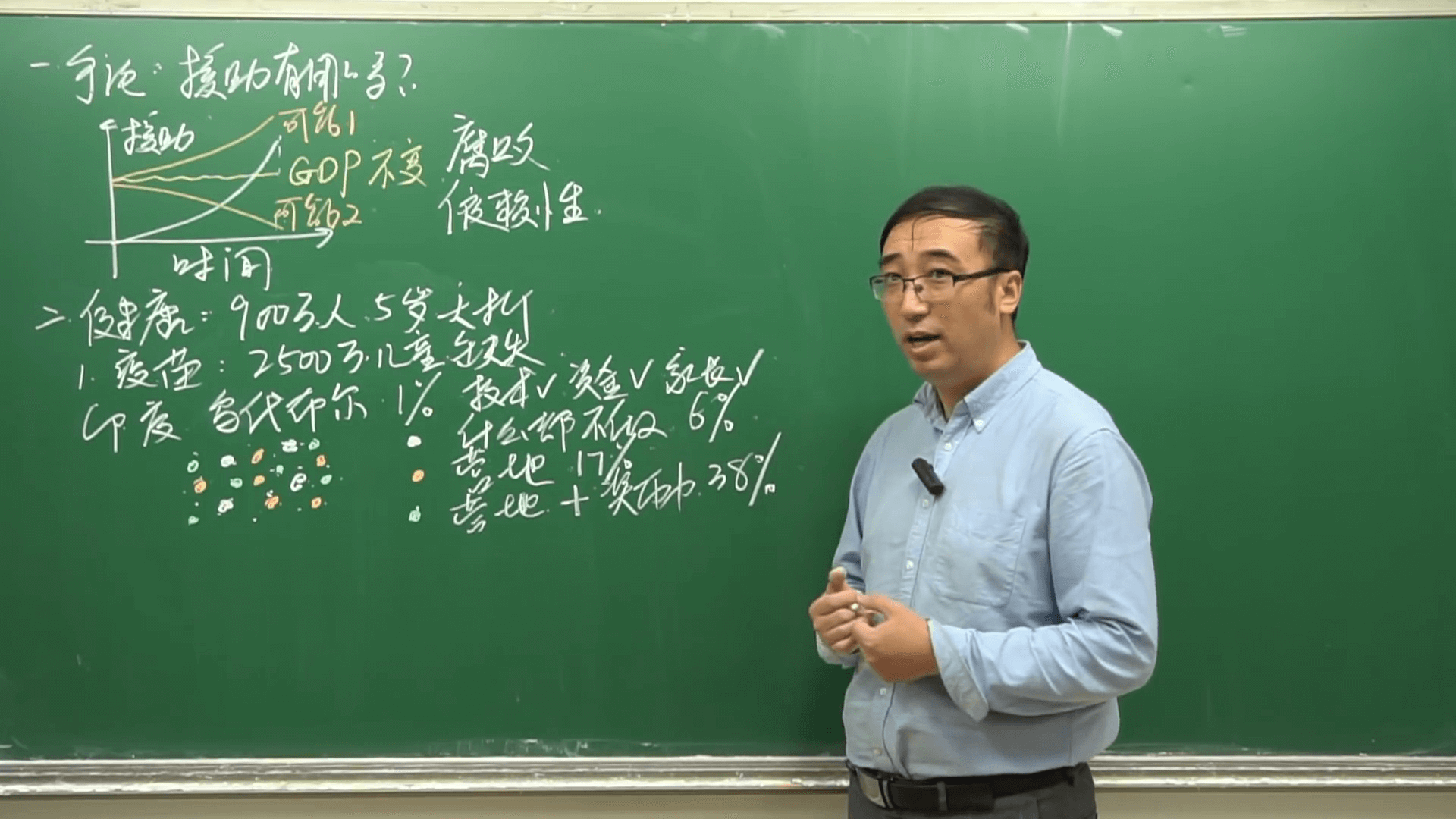
Lowest Social Cost for Rewarding Vaccination
Some people say that giving rewards won’t work. If you do this, your cost will be high. And this thing is originally a right thing, you still have to give him rewards to bribe him, is this inappropriate?
Through Duflo’s research, he found that actually giving rewards, this method, is actually the cheapest.
Some people may find it strange, saying why is your method of giving rewards cheaper?
Because first of all, two pounds of beans are actually not worth much, this is one thing. Secondly, it can greatly increase your vaccination coverage rate. So originally you might have to spend a year to achieve the vaccination coverage rate, now you finish it in one month. Then for the remaining 11 months, did you save the wages of these personnel and so on? So from this perspective, giving rewards is actually better than not giving rewards.
So Duflo gave the government a suggestion through his own research, saying that you should vaccinate the masses according to my method, so that you can increase your vaccination coverage rate and make your people healthier, right?
The Impact of Malaria on Health
In addition to the vaccine problem, there is another disease that plagues the poor. What is this disease? It is malaria.
Malaria kills more than 900,000 people worldwide every year, and most of them are in Africa, and most of them are children under the age of five.
So how exactly is malaria transmitted? It is mosquito bites, right? So we have to eliminate mosquitoes, or isolate mosquitoes from people. What to use for isolation? Use mosquito nets, right? So actually we have a very simple way to control malaria, which is to use mosquito nets.
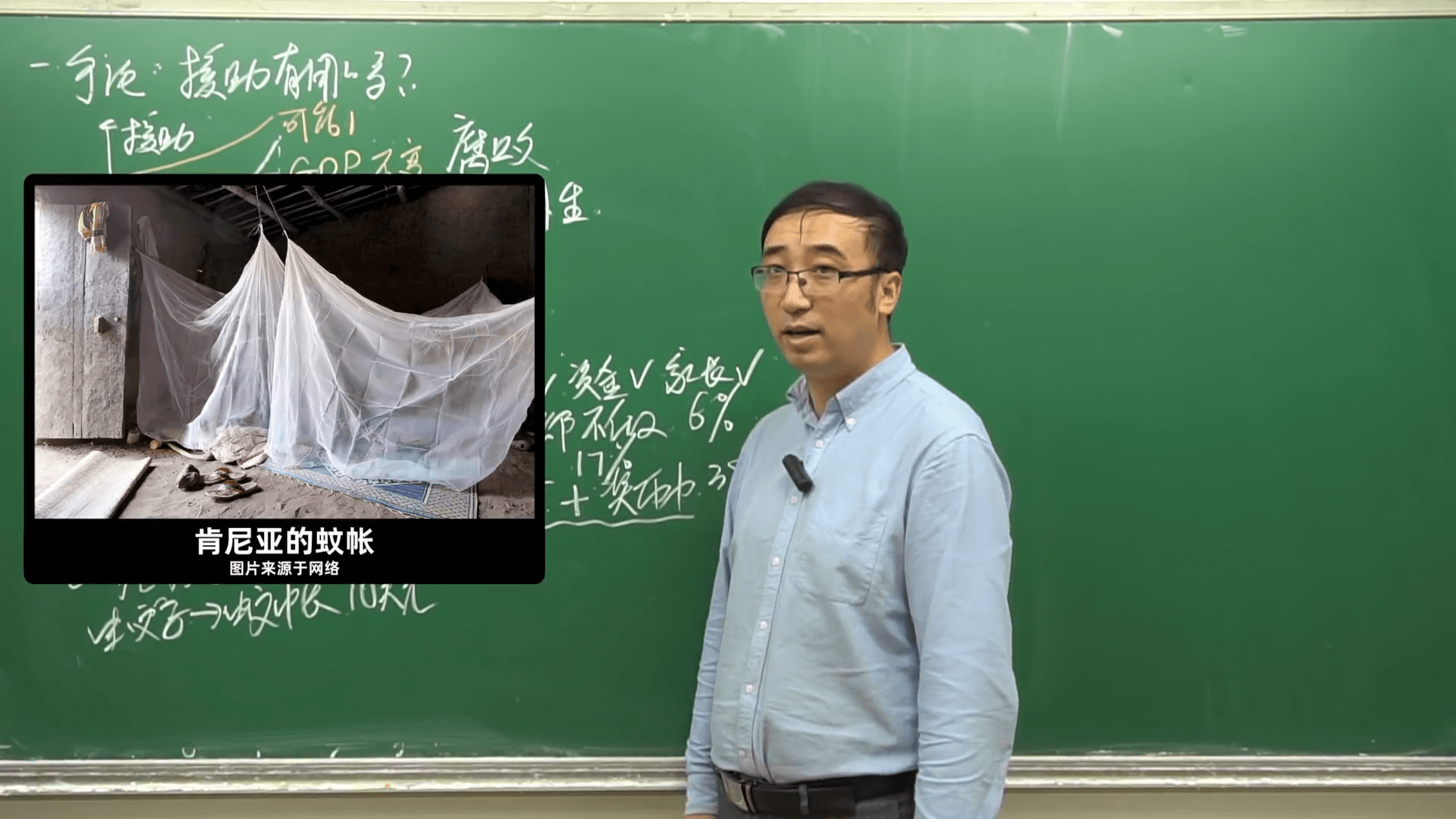
The price of this mosquito net is actually not expensive. It is a mosquito net treated with insecticide. The price of a high-end mosquito net is about 10 US dollars. Some people say, that saving a family with 10 US dollars is great, so let’s donate this money to Africa so they can buy mosquito nets, right?
But some people say no, you can’t provide them with mosquito nets for free, because if you provide mosquito nets for free, they won’t use it well because it comes for free, right? So what did he do with this mosquito net? Go to be a fishing net to catch fish, or use the mosquito net as a wedding dress, right? Used for marriage, not used well.
In addition, if you give him a mosquito net for free, he will have dependency from now on. From now on, he will never buy mosquito nets again. Next time, no matter how much you sell, he won’t buy it. He just waits for you to distribute, this is called dependency, right?
Experiment on the Impact of Charging for Anti-Malaria Mosquito Nets on Behavior
So is it really like this? Duflo and the others said, we can’t figure this out, we must do an actual investigation. So he came to Kenya in Africa. He distributed coupons in some villages in Kenya. Each coupon has a different discount level. After getting some coupons, you can get mosquito nets for free. Some take 1 dollar, some take 2 dollars, and some take 3 dollars.
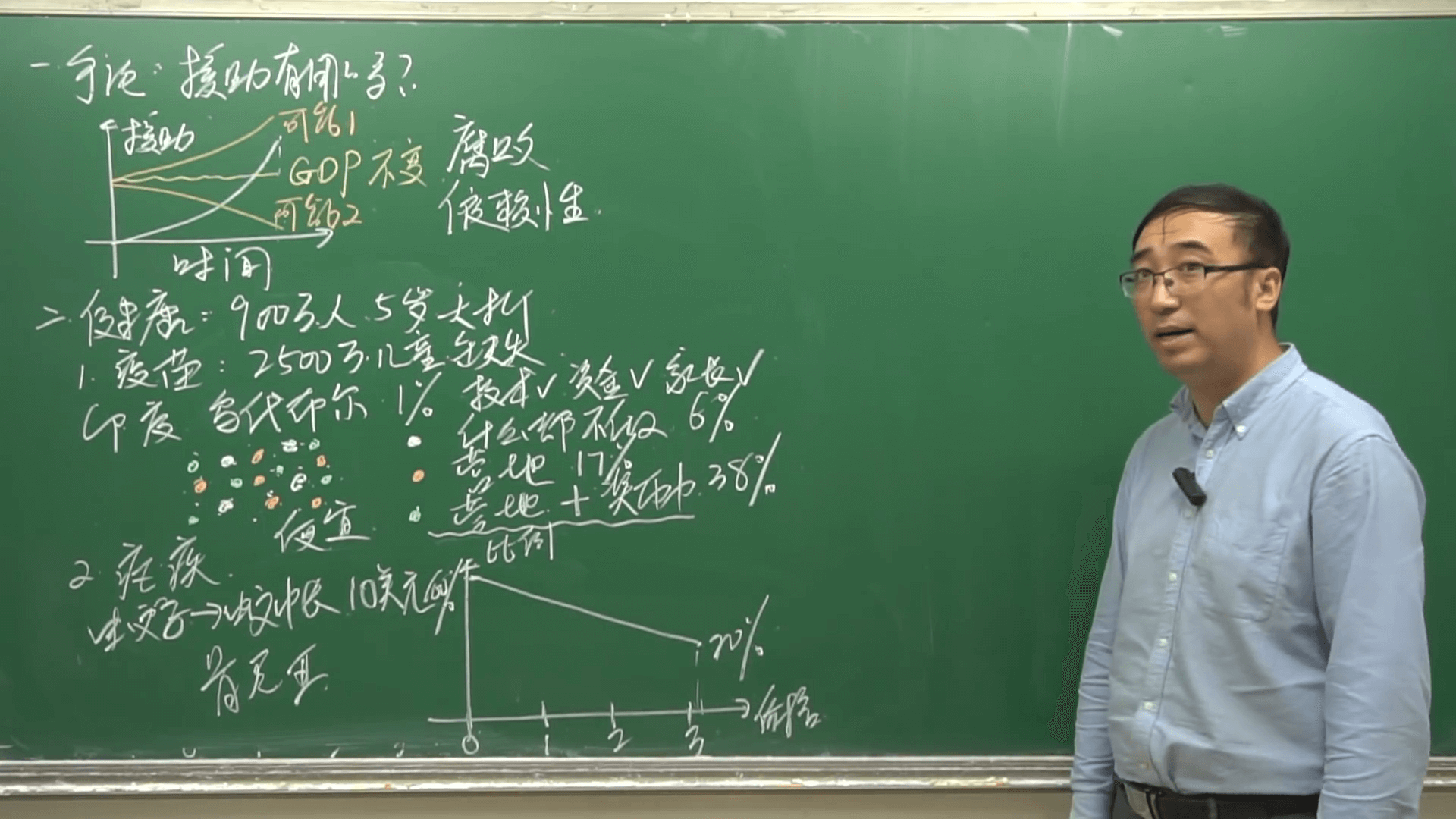
Then he wanted to investigate, asking what the final effect was like? He drew a graph where the horizontal axis is the price. That is to say, after you get the coupon, you still have to pay money, you can pay 0 dollars, you can pay 1 dollar, you can pay 2 dollars, you can pay 3 dollars. Please note that even the most expensive 3 dollars, it is actually still lower than the cost of 10 dollars, which means it is still subsidized.
Then he looked at how many people would buy mosquito nets? How big is the proportion? If you say no money is needed, then the proportion is close to 100%, right? The proportion is close to 100%. Why? No money needed, get it for free, of course who doesn’t want it.
If it is 3 dollars, the proportion will drop. Eventually, it will form a curve like this. That number is about 20%. That is, at a proportion of about 20%, if you spend 3 dollars, there are still people buying it.
Analysis of Mosquito Net Fees and Usage
Okay, so now a major question to study is, how is their usage? Will they use it after taking it back? Or is there any difference in usage between those who got mosquito nets for free and those who got it for 3 dollars?
Through Duflo’s investigation, it was found that there is almost no difference. 80% of people will use it in their own homes after taking it back. They won’t make fishing nets, nor will they make wedding dresses. 80% of people will use it. Regardless of whether you got it back for free or spent 3 dollars to get it back, the result is the same.
Not only that, in the second year they went to sell mosquito nets again, and this time they sold them for two dollars. After selling for two dollars, he wanted to see if those who got mosquito nets for free the first time would still buy them, and if those who bought them for 3 dollars in the end would still buy them.
The result showed that whether it was those who got it for free or those who got it for 3 dollars, the proportion of their repurchase was about the same. Because the price for the second purchase was 2 dollars, this number was basically close to the proportion when purchasing for 2 dollars the first time.
In other words, no matter whether you gave it to him for free or for money the first time, after he got used to the mosquito net, he would still buy it the second time. He didn’t get used to free stuff, but got used to mosquito nets. They found a better way of life.
If we can hang mosquito nets outside the bed of every Kenyan child, then we can effectively control malaria. Even if we can only hang half, then the other half will also benefit because we can cut off the transmission route of this malaria. This comparison experiment is the main research method of the three of them.
Why Can’t Education for the Poor Be Popularized?
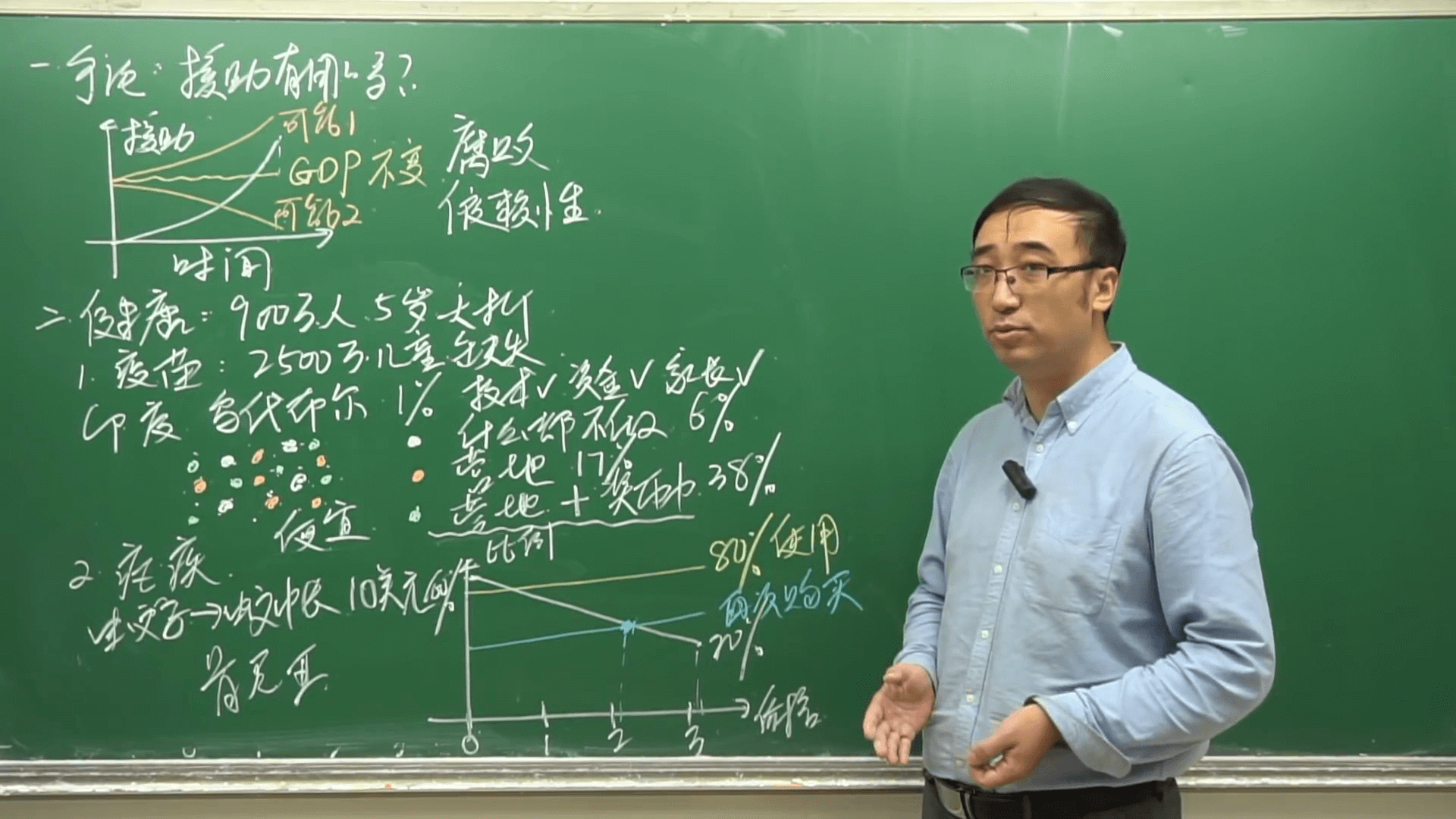
Having talked about health, let’s talk about education. Education is another huge difference between the poor and the rich. People with better education are more likely to become rich, and then they will let their next generation receive better education, thus forming a positive feedback loop.
If we increase the average years of schooling in a country by one year, do you know what the effect will be? The country’s GDP will grow by more than 30%. So the role of education is so huge, right? So we have been emphasizing lifelong learning, vocational education, etc.
Our country’s nine-year compulsory education is actually popularized quite well, but many developing countries actually do not do well. So the first problem we face is how to keep students in the classroom without letting them drop out. Such a problem, that is, to increase the time of education, increase the time of receiving education, this is the minimum requirement, right? Completing nine-year compulsory education is definitely better than completing three-year compulsory education, right?
Experiment on Reasons for Education Not Being Popularized
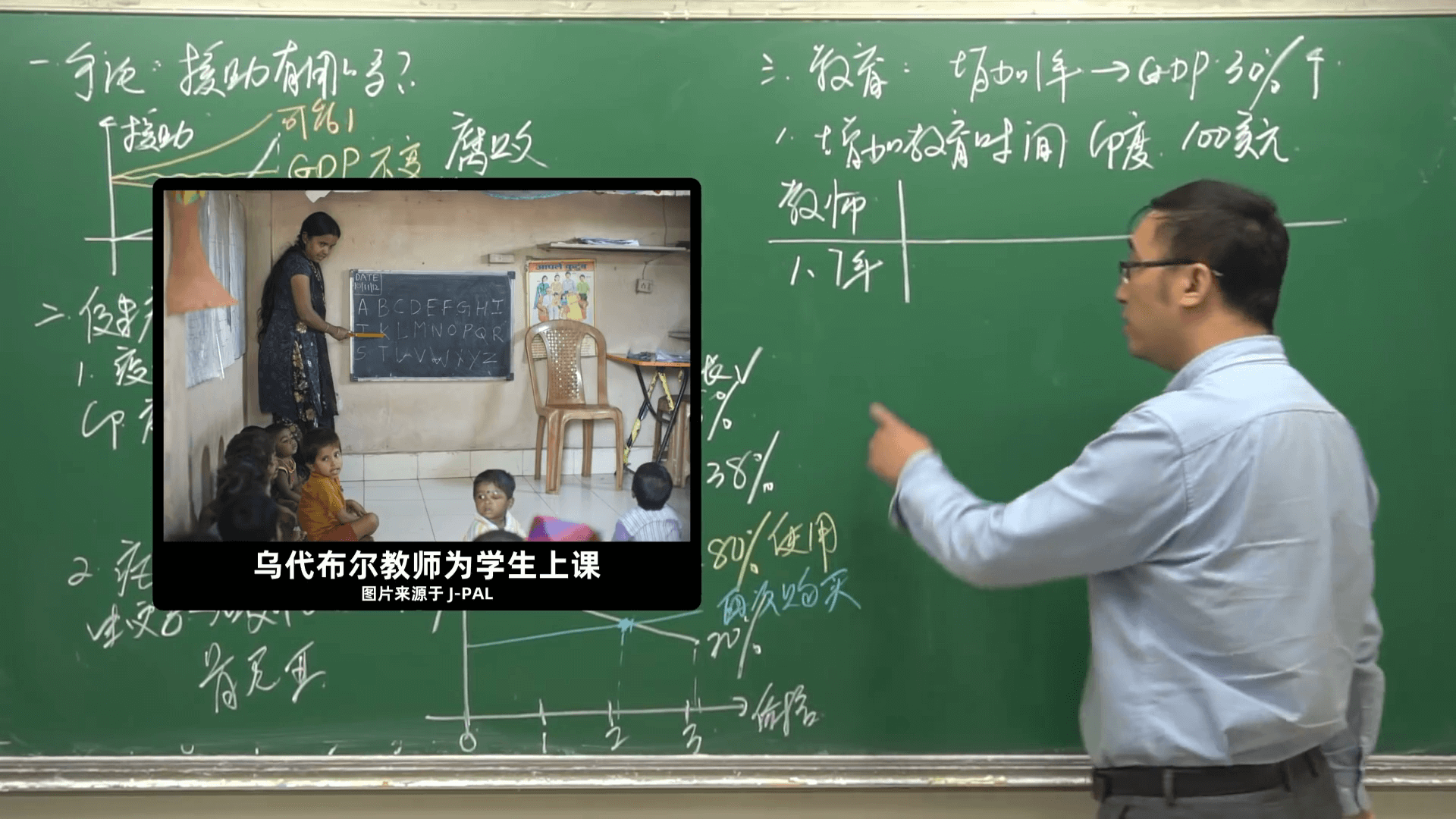
In this regard, India is not doing very well, so Duflo and the others came to India again. They continued their comparison experiments in India. They wanted to spend 100 US dollars to study, using 100 US dollars through what way, can we increase the years of education for students?
1. Not Enough Teachers
For example, it may be because there are not enough teachers in the countryside. If there are not enough teachers, students won’t come to class either, right? So we use 100 US dollars to hire teachers. Assuming on average, you might spend 1000 US dollars, I divide it by 10 and it becomes 100 US dollars, right?
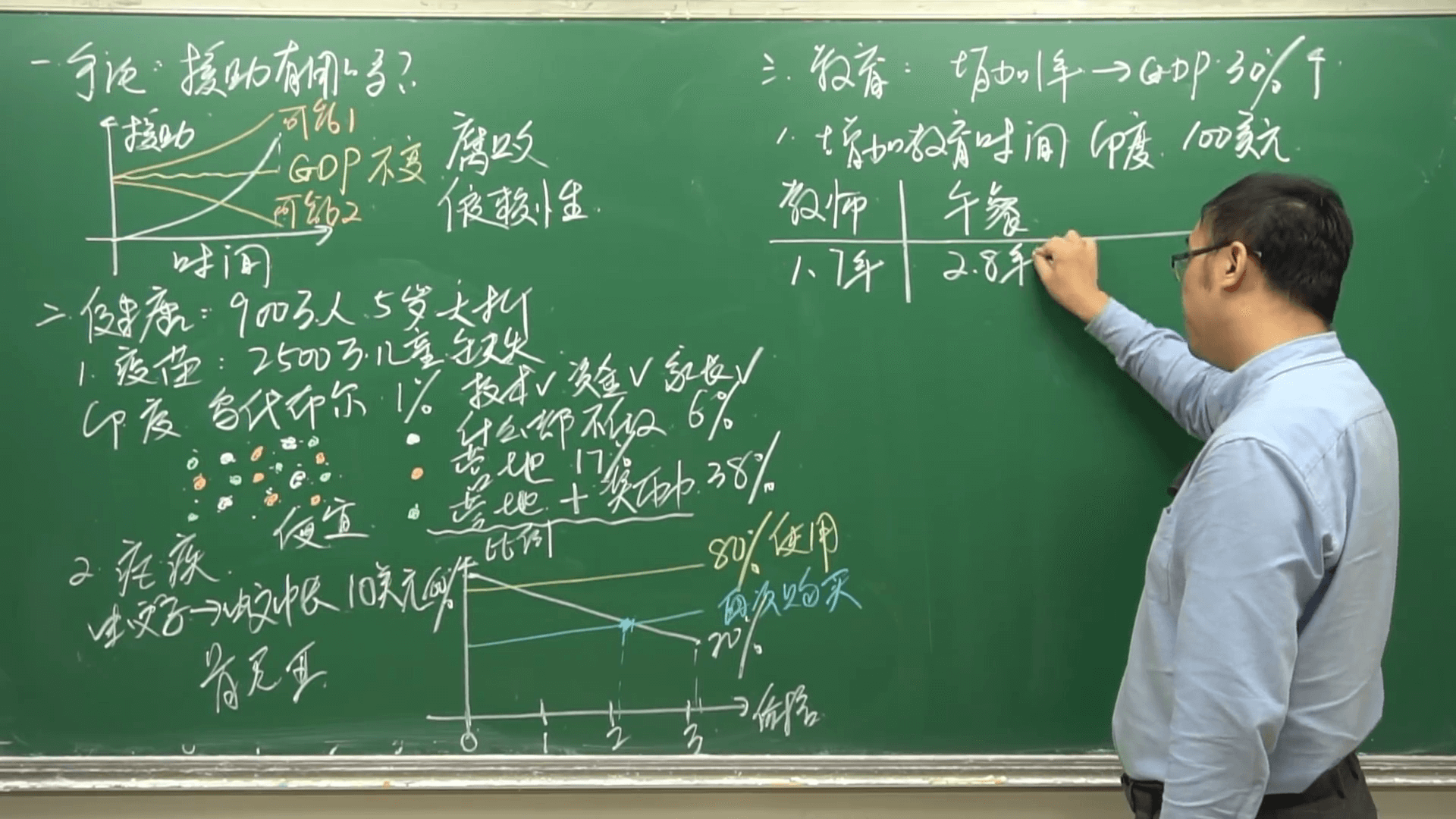
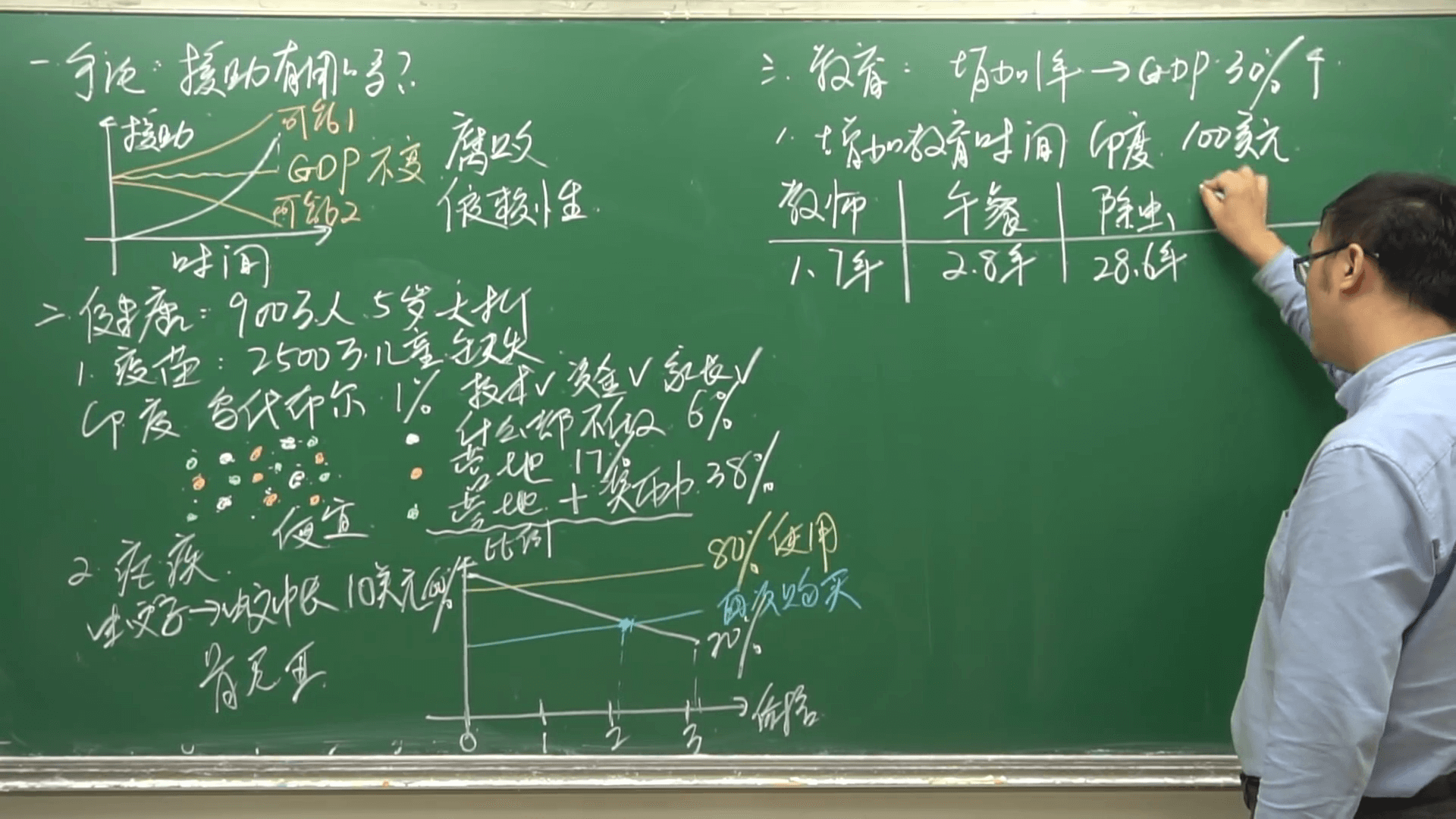
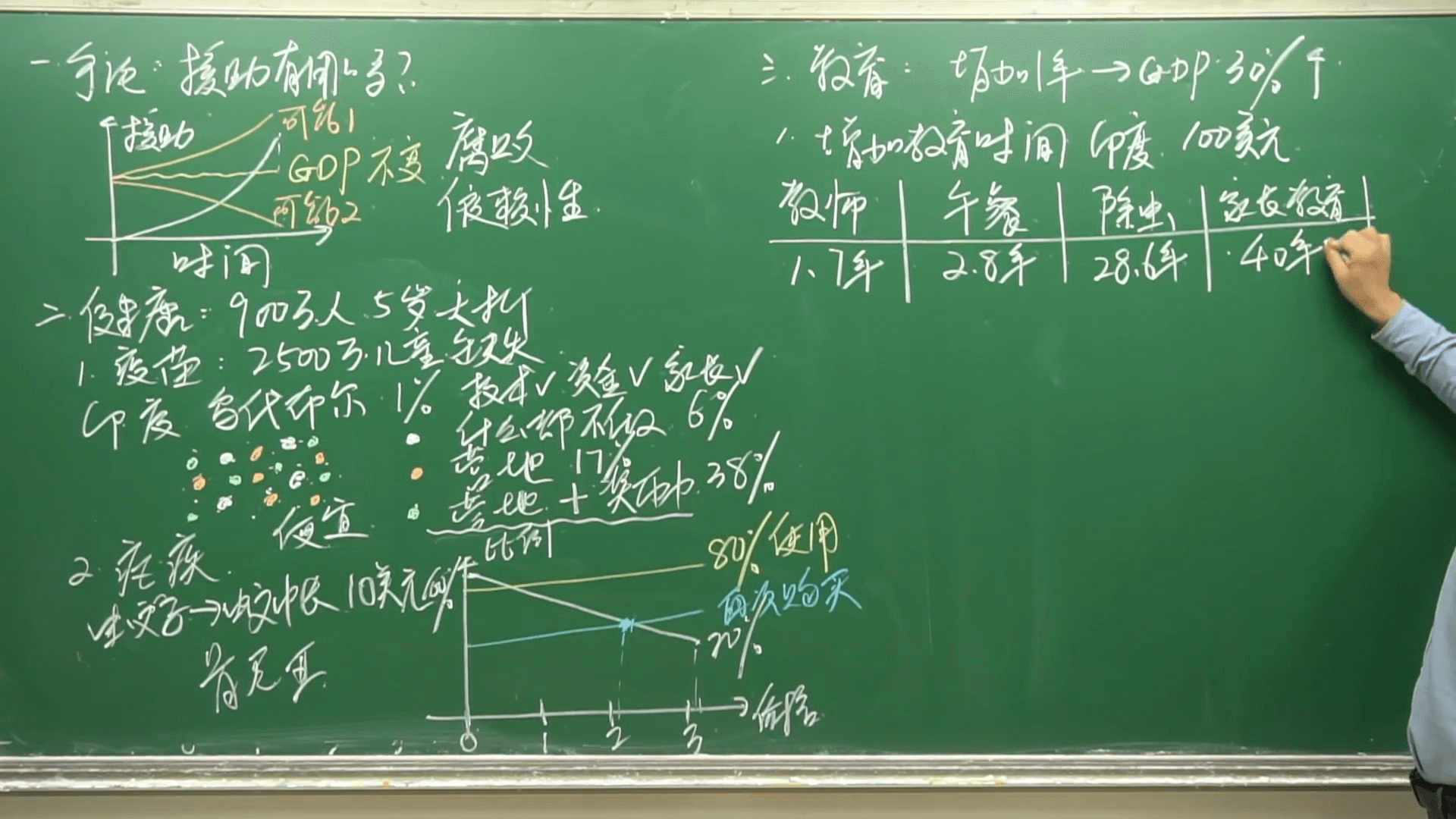
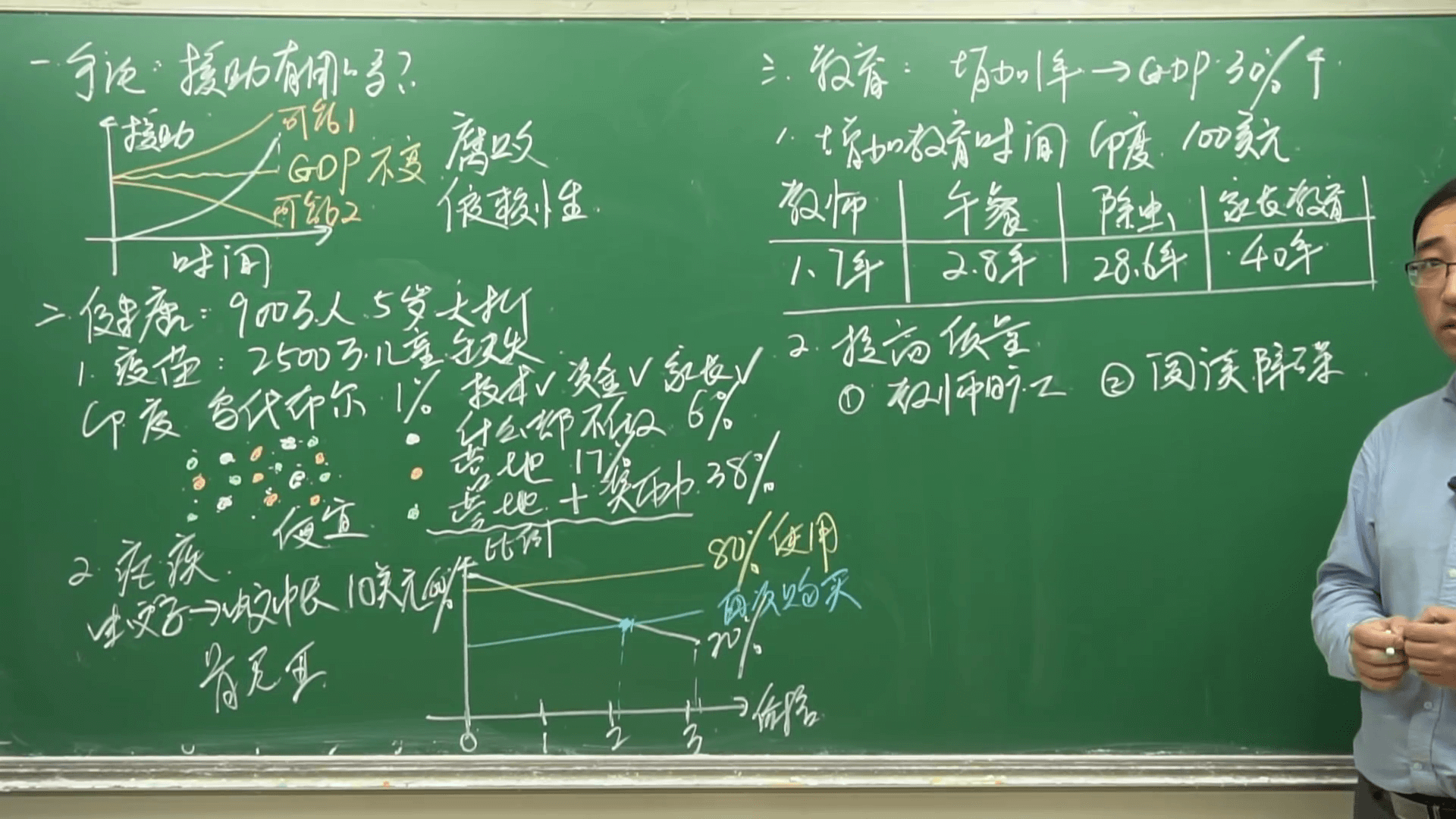
If you go to hire teachers, how many years of education can you increase? Through statistics, he found that it can be increased by 1.7 years. These 1.7 years may be that one child reads for 1.7 more years, or it may be two children, each reading for 0.85 more years.
In the end, on average, 100 dollars spent resulted in an increase of 1.7 years of reading time for one child.
2. Provide Free Lunch
So do we have other methods? For example, I can provide free lunch. Saying students you don’t come to school because the family is poor, I tell you now, I have free lunch here, after you come you can eat without paying, you just eat, right? So through this way, some children can also be kept in the classroom.
This can keep 2.8 years of time. Looks better than hiring teachers, right?
3. Assist in Deworming
Is there any better way? He found that many children don’t come to school because they are sick, many are parasites, roundworms. If we spend this money to deworm the children, prevent them from getting parasitic diseases, they might stay in the classroom. So they used this money to deworm.
The result of the comparison showed that at this time of deworming, every 100 US dollars spent can increase 28.6 years of reading years. So deworming is a very effective way.
4. Educating Parents
Is there any other way? There is another way, which is education for parents. Many children don’t come to class because their parents have problems with their concepts. Parents think that reading books is useless, like buying a lottery ticket. Saying I have ten children, maybe one or two of these ten children are powerful. I just send him to study, and the others don’t need to. It’s uncertain whether these one or two can make money after reading books. If they learn very well and can make a lot of money, I will enjoy happiness in my later years. If he doesn’t make money, finally I spent this money in vain. Comparatively speaking, what did they treat reading as? Treated as buying a lottery ticket.
But we have to tell him that actually reading is not buying a lottery ticket, but a steady investment. On average, if you read one more year of books than one less year, your salary will be 8% more. This is statistically proven.
And reading is also a gift from parents to children. That is to say, if you give birth to him, you should gift him such a gift. He is not just a property of yours, not your money-making tool, right?
So our country is doing relatively well in this regard. When we were young, we knew that reading is both a right and an obligation. If you don’t send your children to school to study, parents can be arrested, right?
Then if this concept is implemented for parents, how many years of reading can be increased? 40 years. Because implementing concepts does not need to spend any money, so if 100 US dollars are spent, you will find that it can increase 40 years of reading years. This efficiency is very high, right?
Recommendations for Popularizing Education
So Duflo and the others suggested to the Indian government, what should we do to keep children in the classroom?
1. We Should Deworm Children
If you don’t deworm, then the child gets sick and won’t come.
2. You Have to Educate Parents Well
If you educate him well, this child will stay in the classroom. For example, we can say more when recruiting workers that we require a certain degree or above. In this way, when parents see these girls, if she doesn’t study, she can’t find a job, so let them study. Parents will send them over, right? So they made such a suggestion to the Indian government, which was finally proven to be very effective.
3. Improve Education Quality
Okay, so just increasing education time is actually not enough. You also have to improve the quality of education. If you stay in the classroom, right? Doing nothing, learning nothing, then what’s the use? So we have to improve the quality of education. How to improve the quality of education? Why do these children have poor academic performance?
Duflo also went to investigate, and what did he find? The first very important reason is that many Indian public schools, we know that Indian public schools are relatively bad, right? In those public schools, those teachers are absent without reason. Teacher absenteeism. That is to say, it’s time for you to teach, there is no one in the classroom, students are inside but the teacher is not, right? Teacher absenteeism. If teachers are absent, can students learn well? This is the first problem.
So they suggested that we should install what for these schools? Punch card system. Whether it is face recognition or fingerprint recognition, anyway I have to punch him in through a method, so as not to let him be absent. Only through such a method can teachers be kept in the classroom, and then students can improve, right? This is the first thing.
Free Tutoring
The second thing is that many people donated some, such as textbooks and reading materials to these children. As a result, it was found that after the child got these reading materials, the grades did not improve much. Many fifth-grade students in the village could not read some first-grade reading materials. Asked why this is, it turned out that their reading ability is impaired. They have reading barriers.
What is reading barrier? We know that the official language of India is English, right? Since it is English, then many of your textbooks are written in English. You give him this reading material, he doesn’t even know English at all, how can he read your book? If he can’t read your book, naturally his grades can’t improve.
So donating a pile of books is useless. So Duflo found a bunch of volunteers to give free tutoring to these children, teaching them to read. As a result, the effect was very good. After teaching them to read, their grades improved by leaps and bounds, right?
So actually even though our country’s education level is slightly better than India’s, we also face the same problem. That is, our educational resources are also developing very unfairly. Teachers in big cities are very high-level, but in the countryside, there are no teachers who have properly attended normal schools.
How can we improve the overall quality of education? Some people say we should donate equipment to the countryside, donating a lot of computers, right? Others say we should improve the living treatment of rural teachers. Others say we should send teachers from big cities to teach in the countryside. Which one is more effective? Maybe we need to reach a conclusion through experimental methods.
This matter is actually a question I have been thinking about all the time.
Economic Problems of the Poor
Let’s finally return to economic issues. We know that the most essential difference between the poor and the rich is still the amount of money.
Duflo mentioned in his book that the life of the poor is how? Full of risks. The life of the poor is full of risks. How to understand this sentence? Why is the life of the poor full of risks?
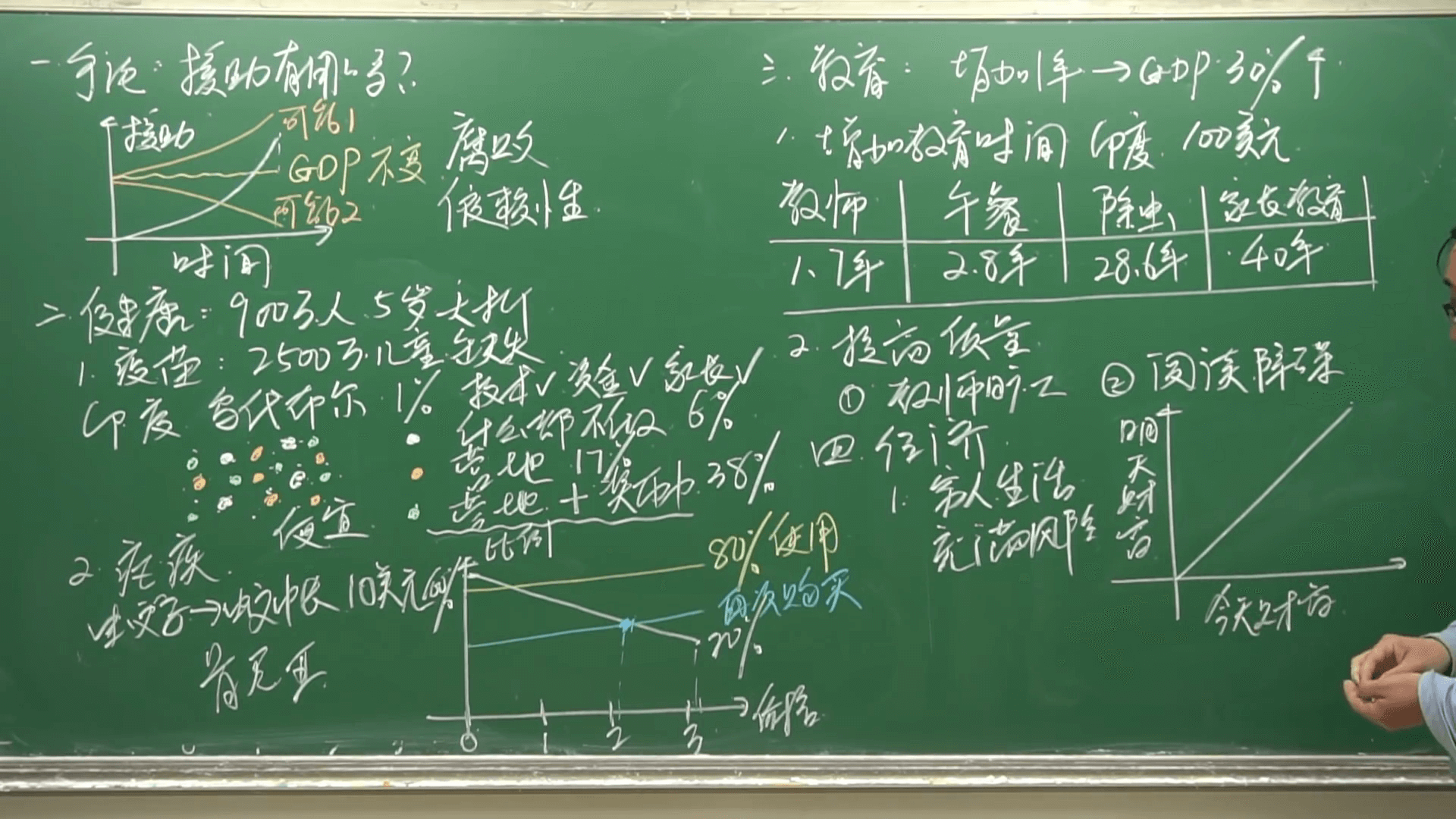
Ideal Wealth Increase/Decrease Curve
He said we can study such a curve. This horizontal axis is called today’s wealth, that is, how much money you have today. Currently, the vertical axis is tomorrow’s wealth, tomorrow’s wealth.
So suppose your wealth today and tomorrow are the same, then your wealth will never change, right? So it has such a diagonal line. Every point on it is an equilibrium point. For example, at this point, today’s wealth is the same as tomorrow’s wealth, so it is always this wealth value.
Realistic Wealth Increase/Decrease Curve
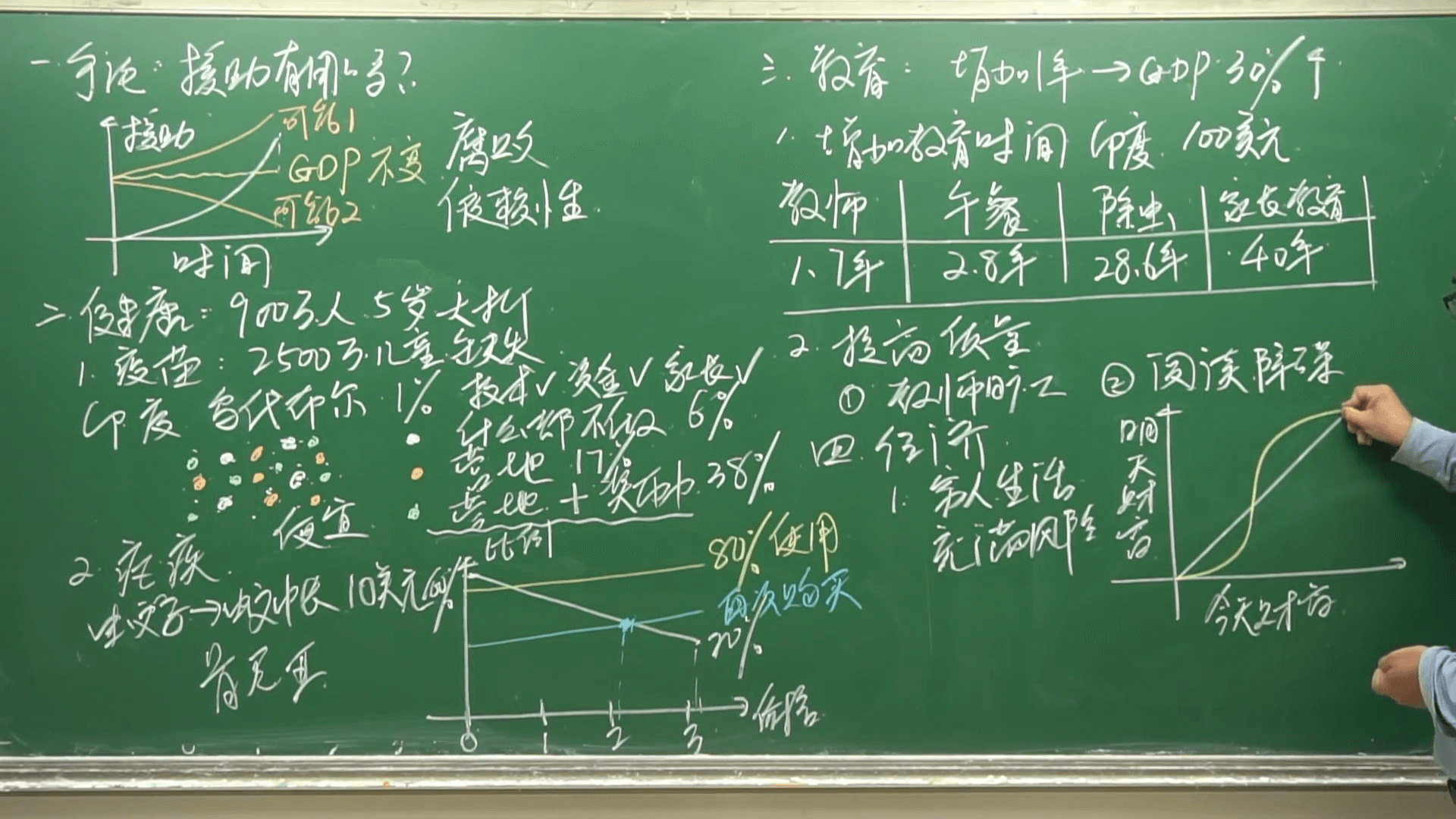
But real life is not like this. Suppose you have a lot of money, you can expand reproduction, right? You can make more money. But if you have little money, you have no money after eating a meal, so you might become poorer.
Therefore, existing curves may be this S-shaped. This is a point put forward by Duflo, which is S-shaped realistic curve.
Poverty Trap, Life of the Poor is Full of Risks
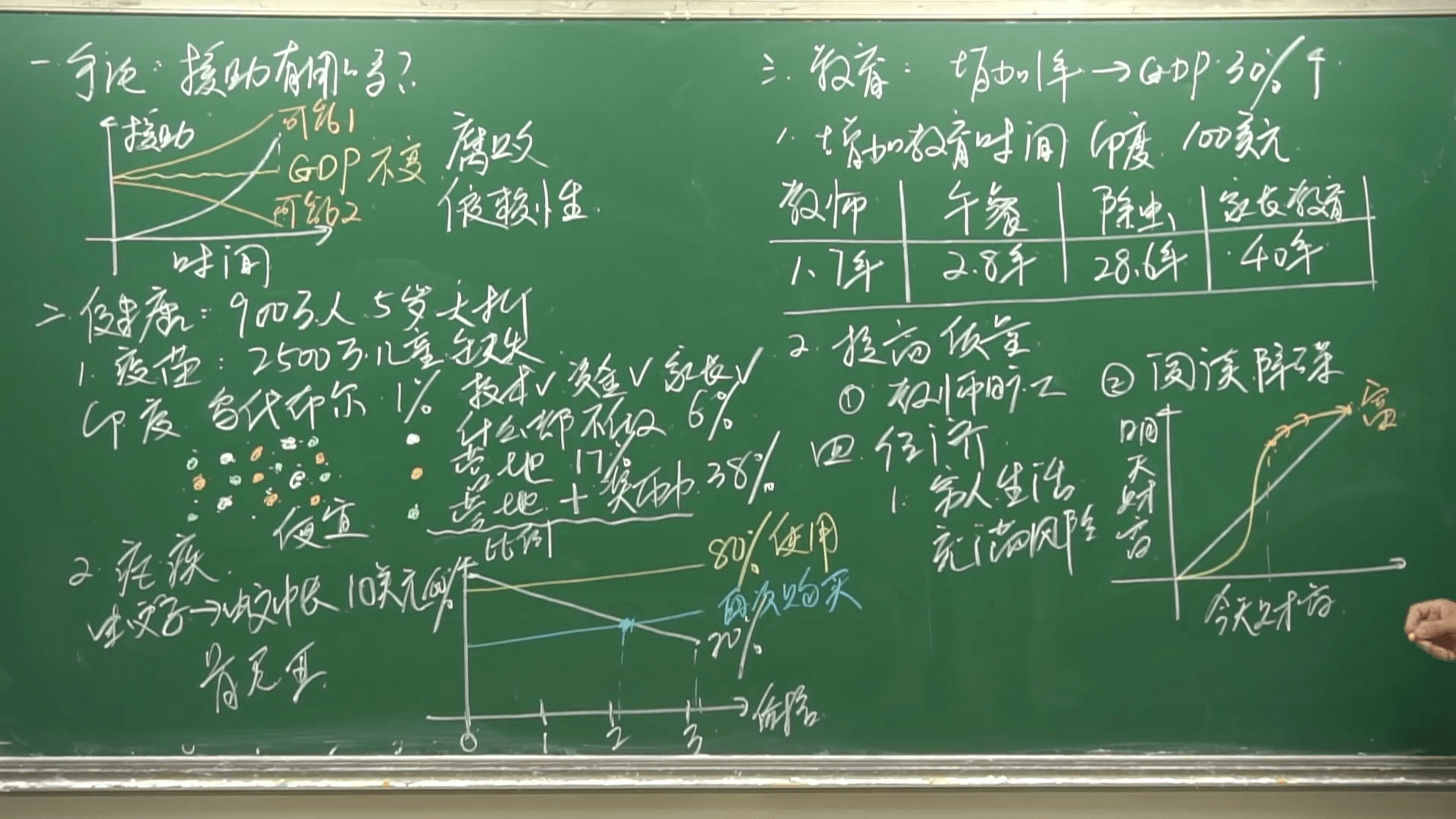
1. Wealth Growth Above the Poverty Point
So what does this actual curve tell us? For example, suppose there is a person who starts out relatively rich. His wealth today is at this point. At this time, his wealth tomorrow is a bit more than today’s wealth, so the next day he is at this point. He moved to the right, you know? On the third day, he is at this point, and he moved to the right again. So eventually he will reach the equilibrium point on the right. We call this point the wealth equilibrium.
Actually, at the very beginning, any point on this curve is fine. He will move bit by bit…, you will move to this wealthy equilibrium point.
2. Wealth Decrease Below the Poverty Point
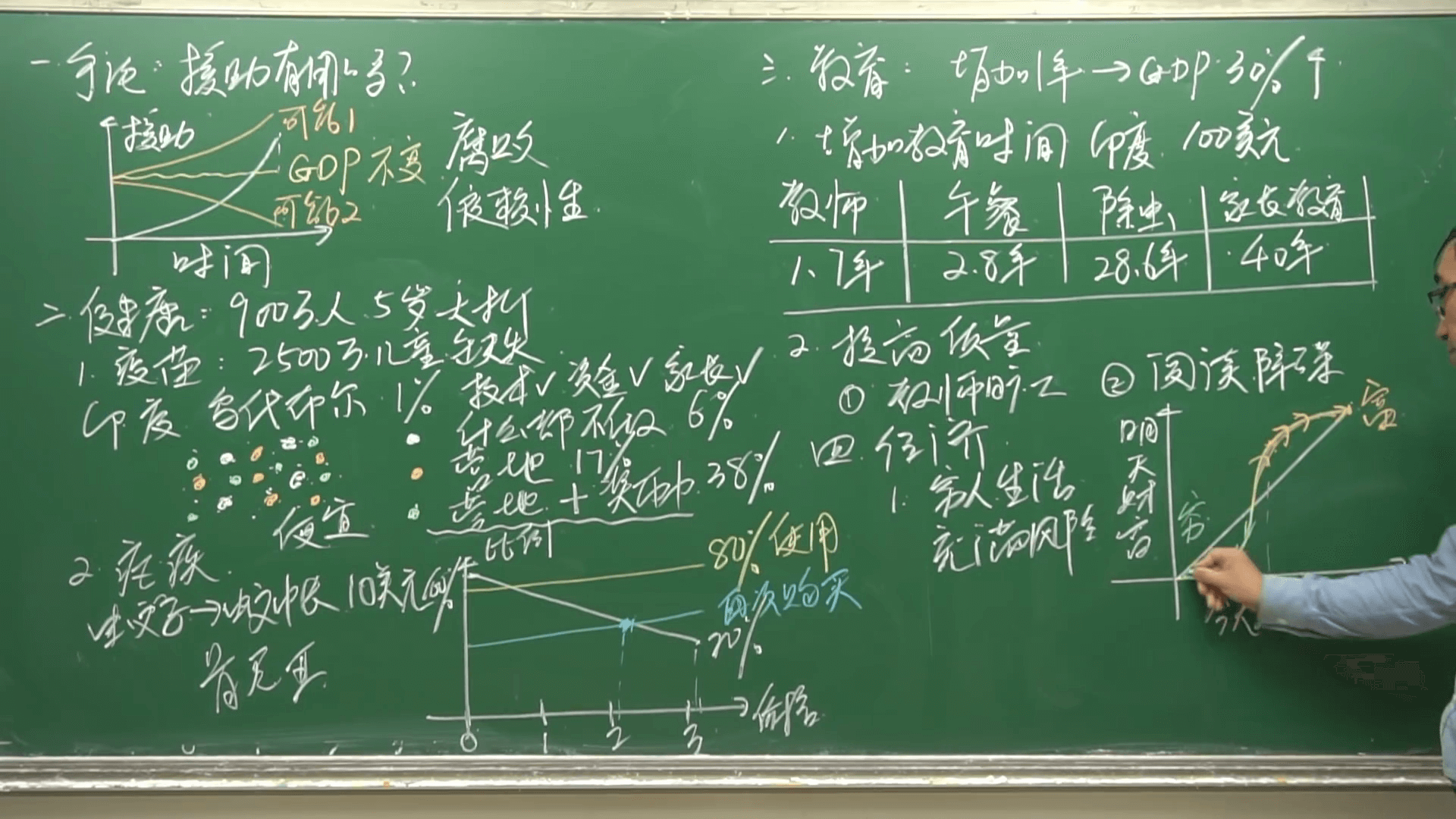
But conversely, if there is a person who is relatively poor, what will happen? For example, he started at this point. At this time, his wealth tomorrow is even less than today’s wealth. He is here, you know? Moving bit by bit… What will happen to him in the end? He will move to the point in the lower left corner. And the point in the lower left corner is poverty equilibrium. This is the so-called poverty trap.
Poverty Trap of Falling Below the Poverty Point Due to Accidents in Life
So why is it said that the life of the poor is full of risks?
For example, a poor person was originally in this position, right? How could he handle it? He could accumulate wealth bit by bit, and finally get rich. But he suddenly got sick. Once sick, he suddenly ran here, and as a result fell into the poverty trap.
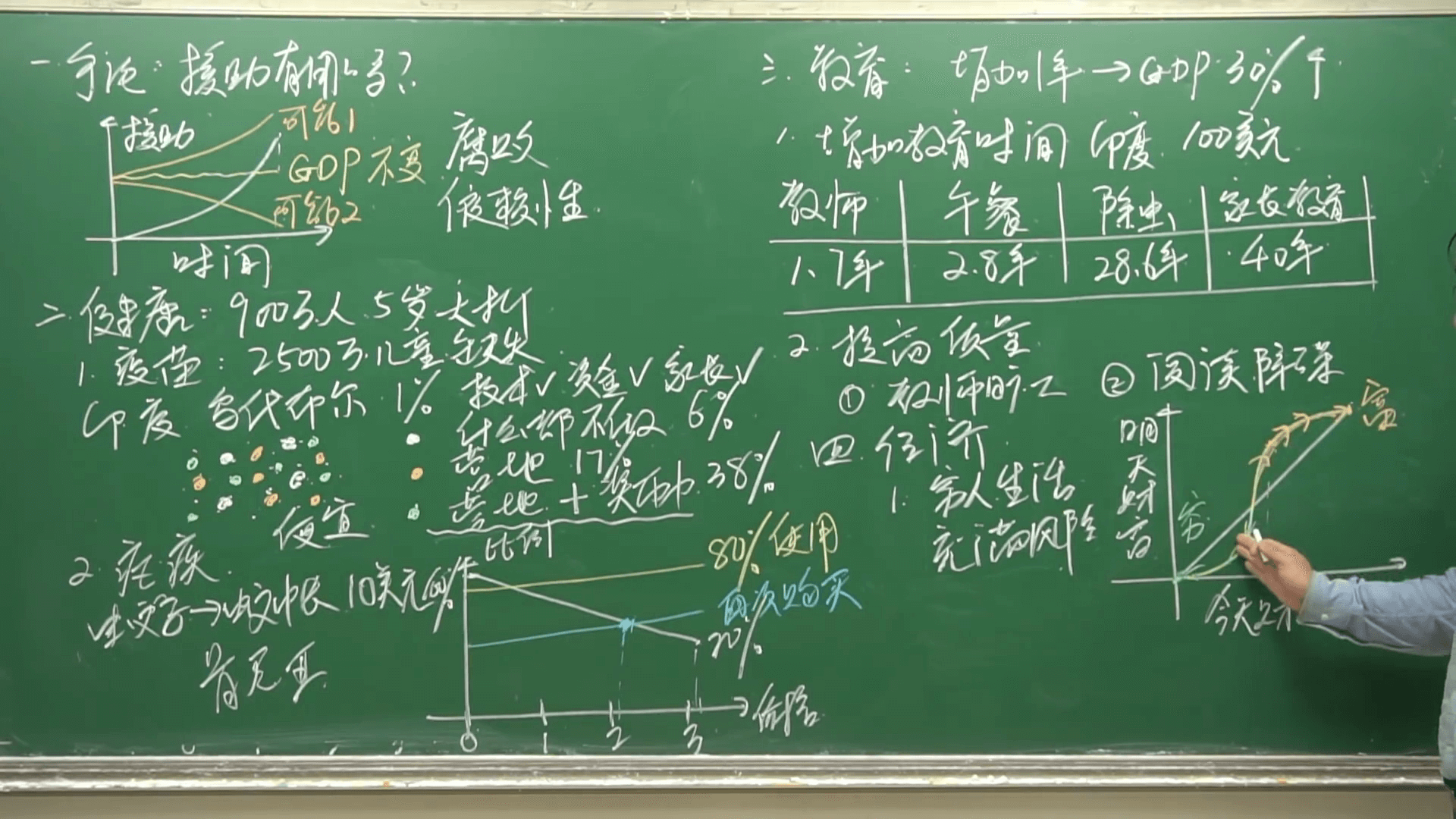
Comparatively speaking, the rich are much better off. For example, he is in this position. If he gets sick, he runs to this position. He just progressed a little slower. He will eventually reach wealth.
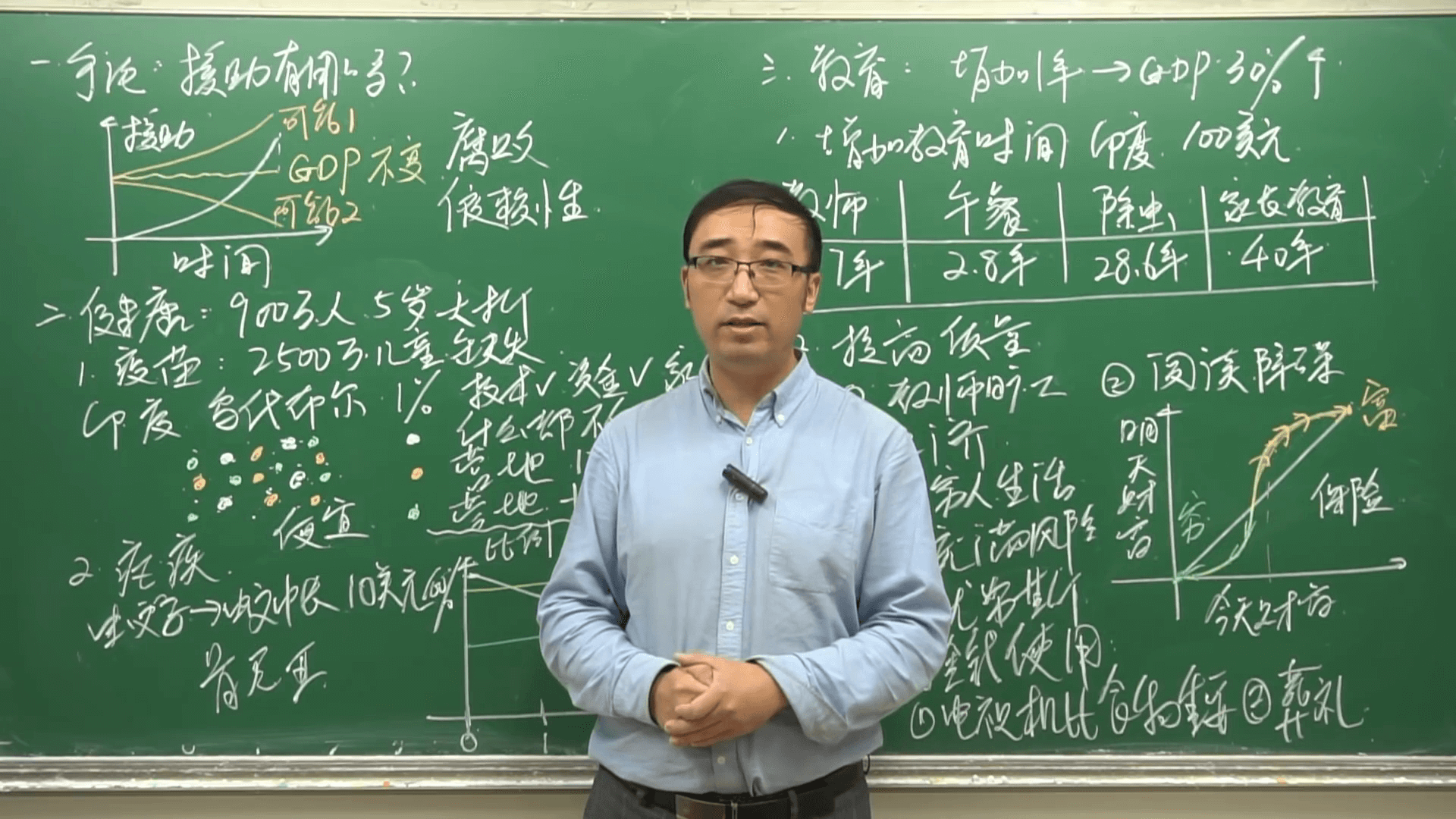
And rich people generally buy insurance for themselves, whether it is health insurance or property insurance, they will buy insurance. But for the poor, my life is very difficult today. If you ask me to spend money for tomorrow, I will definitely not spend it.
So now our country is promoting serious illness medical insurance, and rural areas must also have insurance. This is to prevent farmers from falling into the trap of poverty.
Lending Money to the Poor
Also, we don’t have capital. The poor don’t have capital, so it’s hard for him to reach the wealthy class quickly. Saying can we lend him money?
Here we have to talk about a person named Yunus. This Yunus is a Bangladeshi. Yunus is a university professor. His living conditions were actually quite good. In 1974, a famine occurred in Bangladesh, so Yunus went to the street to investigate to see what the life of the poor was like.
Found a farmer woman weaving baskets. He asked her how much money she could earn a day. She said I have no capital and no way to buy bamboo, so I have to borrow 22 cents a day to buy bamboo. After buying bamboo, weave a basket, and then sell the basket back to the person who lent the money. That is because this is a transaction, right?
If you borrow money, you must sell the basket to him. Selling for 24 cents, I can earn 2 cents a day.
Then Yunus asked, if I lend you 1 dollar, how much can you earn? She said if you lend me 1 dollar, I can buy bamboo, and I can earn 1 dollar a day.
Don’t Just Research in the Office, Donate 1 Dollar Now
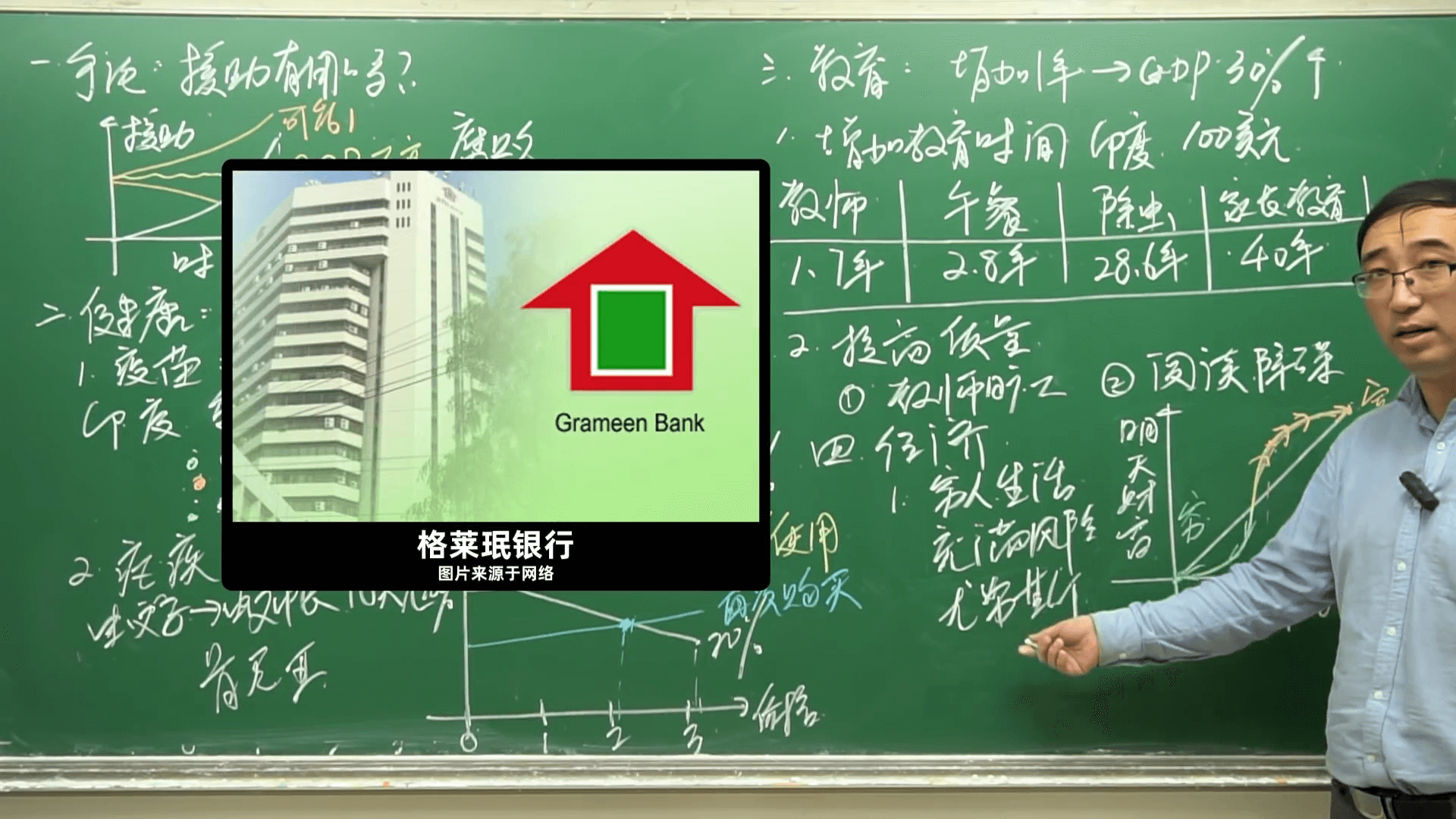
As a result, this Yunus was shocked. He said that we university professors should be ashamed. We spend all day in the office brewing tea researching the economic situation, but we don’t have 1 dollar to lend to such a farmer woman. So he took out 27 dollars out of his own pocket and lent it to 45 farmer women to let them weave bamboo baskets. Slowly it developed into a microfinance company named Grameen Bank.
This Grameen Bank eventually earned Yunus the Nobel Peace Prize because he helped many civilians in Bangladesh.
Spending Habits of the Poor
However, some people say that microfinance companies don’t seem as sacred as you say. Many people didn’t expand their production after borrowing money from microfinance companies. He used this money to buy an iPhone. Even he wanted to cut off his kidney to buy an iPhone. Why do the poor have such a great preference for luxury goods?
Here we have to talk about another problem, which is exactly how the poor use money. There is still a big difference between him and the rich.
Television is More Important Than Food
In Duflo’s research, an example was mentioned. What is this example called? It is called television is more important than food. What does it mean that television is more important than food? That is, he went to a village to observe, and found that this village was very poor. Many children lacked nutrition and looked very strange.
Then he also found that many families in this village had TVs. He asked, how did you buy this TV? He said I saved money for many years and bought a TV.
He said now look at you, nutrition is not enough, why did you buy a TV? As a result, this poor person said, TV is more important than food.
Sense of Powerlessness in Life, Life is Boring
Why is it like this? Through analysis, Duflo believes that the life of the poor is very boring. Because he runs about for his life every day, so if he has a little money, he hopes to make his life more interesting, more not so boring. So if you give him a little money, he will go to eat a good meal, such as braised pork, right? Then if you give him more money, he will go to buy a TV, or even she might go to buy an LV bag, or an iPhone, right?
Human Desire’s Constant Challenge, Unable to Consume Rationally with Patience
Usually we might think that he should save this money, so he can escape the poverty trap bit by bit, and then reach the wealthy class. But you have to note that this will face great difficulties.
For example, if a poor person wants to save money, he might have to quit smoking. That is to say, I have to smoke one less cigarette every day, right? Also, I might not be able to eat meat anymore. I can’t buy the TV I wanted to buy. I can’t have the mobile phone I wanted. In this way, I will slowly become rich. You need to overcome your desires again and again.
But the rich don’t need to be like this. Rich people smoke if they want to, play video games if they want to. So comparatively speaking, they are more likely to succeed than the poor. Some people say that wealth increases people’s patience, watching wealth grow bit by bit, while poverty makes people lose patience.
For example, if you find Bill Gates, you say I will increase your assets by 1% every day, then he can’t wait to make you CEO, right? But if you find a poor person, you tell him I will let your assets increase by 1% every day, he might ignore you. Because he has too little money, he doesn’t believe he can cross this poverty trap and reach the wealthy class. So in essence, it is still a problem of confidence.
Wasteful Funeral Expenses
Besides TV, actually there is another very bad phenomenon, which is funerals. In poorer places, funerals are held more grandly. There is a saying called what? It is called this person didn’t enjoy a good life when he was alive, and must be glorious when he dies. But in fact, funerals have no meaning for the living people. It will instead pull you into this poverty trap.
Duflo once did a survey. In many places in Africa, money spent on funerals takes up more than 40% of the annual household income. So this waste is actually quite serious.
We might think that the reason why the poor are poor is because their willpower is not enough or their IQ is not enough. If we are a poor person with rich people’s thinking, then sooner or later we will become rich.
Rich People Standing and Talking Without Back Pain, Experiencing Life Below the Poverty Line
Is this statement correct? There is a best-selling author in the United States named Barbara. There is a business tycoon in Hong Kong who makes trousers, named Tien Pei-chun. In order to experience the life of the poor and verify whether they can turn from poor to rich, the two of them went to a place to work penniless. Sometimes it was sweeping the streets, sometimes it was waiting tables in a restaurant.
As a result, they found that after working more than ten hours a day, they were still penniless. They simply couldn’t realize the ambitions they said at the beginning. They also simply didn’t have time to think about how I can make my life better. So the problem of poverty can definitely not be explained by just a word of laziness. What we want to discuss is not whether we should aid the poor, but how to aid.
Conclusion
After Duflo and the other two won the Nobel Prize in Economics, many people expressed their dissatisfaction because their work seemed not to be orthodox economics. However, I think that pure argument and questioning cannot solve the poverty problem. Duflo’s work indeed pointed out a possible path.
We need scientists who look up at the starry sky, and we also need people who are down-to-earth. Only in this way can our society become better and better.
If you like my video, you can subscribe to me on the YouTube account Teacher Li Yongle, click the little bell to get update information at the first time.